






What's Happening?
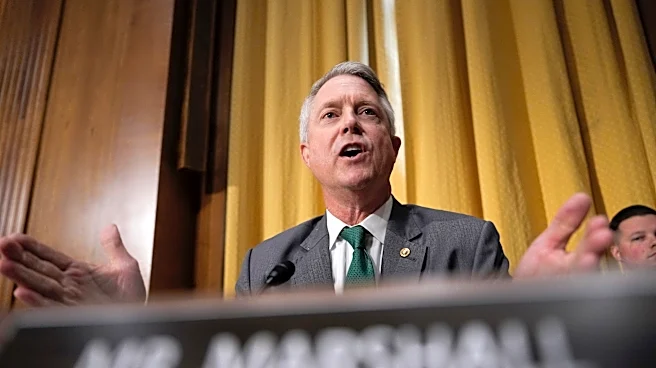
U.S. Senator Jerry Moran (R-Kan.), a member of the Senate Appropriations Subcommittee on Transportation, Housing and Urban Development, announced a significant $49.5 million investment from the Department of Transportation. This funding is allocated for
the Kyle Railroad’s east-west corridor, which is situated in Phillips County, Kansas. The investment was administered through the Consolidated Rail Infrastructure and Safety Improvements Program. Senator Moran had previously sent a letter of support for this rail project in April, which was proposed by Phillips County, the City of Goodland, and the Kyle Railroad. The project aims to implement necessary improvements to the railroad's infrastructure and to install new technologies designed to enhance both safety and efficiency. Senator Moran emphasized that the Kyle Railroad is crucial for western Kansas farmers, enabling them to transport their crops to markets across the country and thereby supporting rural businesses and communities. He stated that this investment would bolster Phillips County, Goodland, and the surrounding region by facilitating repairs and updates to the rail system and ensuring it is equipped with the latest technology.
Why It's Important?
This $49.5 million investment is critical for the agricultural sector and rural economies in western Kansas. The Kyle Railroad serves as a vital artery for farmers, allowing them to efficiently move their agricultural products to broader markets. Improved rail infrastructure and the integration of new technologies will lead to increased operational efficiency, reduced transportation costs, and enhanced safety for rail operations. This directly benefits farmers by providing more reliable and cost-effective means to distribute their goods, which can positively impact their profitability and competitiveness. Furthermore, the investment supports local businesses and communities that rely on the railroad for economic activity and job creation. The modernization of the rail line can also attract further economic development to the region by improving logistical capabilities for various industries. The funding underscores a federal commitment to supporting critical infrastructure in rural areas, which is essential for maintaining the economic viability and growth of these regions.
What's Next?
The announced funding will now proceed to the implementation phase, with Phillips County, the City of Goodland, and the Kyle Railroad initiating the planned infrastructure improvements and technology installations. This will involve detailed planning, procurement processes, and construction activities to upgrade the east-west corridor. The project is expected to create temporary jobs during the construction phase and potentially long-term benefits through enhanced operational capacity. Stakeholders, including local farmers, businesses, and residents, will likely monitor the progress of these improvements, anticipating the positive impacts on transportation efficiency and regional economic stability. The successful execution of this project could also serve as a model for future infrastructure investments in other rural areas, demonstrating the tangible benefits of federal funding in supporting local economies and critical transportation networks.
Beyond the Headlines
Beyond the immediate economic benefits, this investment highlights the broader strategic importance of maintaining and upgrading rural transportation infrastructure in the U.S. In an era where supply chain resilience is a significant concern, robust rail networks are essential for ensuring the smooth flow of goods, particularly agricultural commodities. This project also reflects a policy emphasis on leveraging federal programs like the Consolidated Rail Infrastructure and Safety Improvements Program to address specific regional needs and bolster national infrastructure. The integration of new technologies in rail systems, as planned for the Kyle Railroad, points towards a future where efficiency and safety are increasingly driven by innovation. This could set a precedent for other regional rail lines to adopt similar technological advancements, contributing to a more modern and resilient national rail system. The long-term implications include enhanced food security through more efficient agricultural distribution and strengthened economic foundations for rural communities.