





What's Happening?
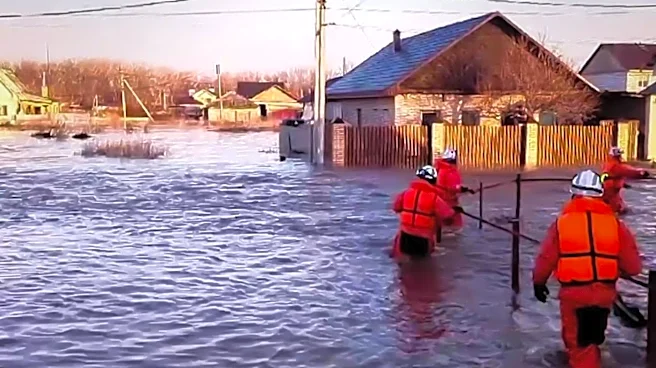
More than 300 homes in Yavapai County, Arizona, were damaged or destroyed by flooding that occurred in the Verde Valley on November 1. The county reported that 23 homes were destroyed, 104 sustained major damage, 95 had minor damage, and an additional
119 homes were affected. In response, an American Red Cross disaster relief center opened on November 15 in Camp Verde to assist residents with necessities like food and shelter. Local business owners and community members have also stepped in, with Anthony Lozano, owner of VerdeValley Firewise, providing free cleanup services, and Pamela Bridgnell, owner of Ruby Road Vintage, converting part of her business into a donation hub for flood victims. Yavapai County and the state of Arizona have reached Step 3 of the federal disaster declaration process, with a joint state and federal damage assessment pending to determine eligibility for federal assistance.
Why It's Important?
The extensive damage to over 300 homes in Yavapai County highlights the significant vulnerability of communities to natural disasters and the immediate need for robust disaster response and recovery mechanisms. The involvement of both the American Red Cross and local businesses underscores the critical role of both formal aid organizations and grassroots community efforts in mitigating the impact of such events. For affected residents, the loss or damage to their homes represents a profound disruption, often leading to long-term financial and emotional burdens, even with insurance. The ongoing federal disaster declaration process is crucial as it could unlock vital federal funding and resources, which are often essential for comprehensive recovery efforts that extend beyond immediate relief to include rebuilding infrastructure and supporting affected families over time.
What's Next?
The American Red Cross disaster relief center in Camp Verde is scheduled to remain open through November 18, providing immediate assistance to flood-impacted residents. Yavapai County is urging residents who have not yet done so to submit damage assessments to fully document the extent of the flooding, which is a critical step in the federal disaster declaration process. The next phase involves a joint state and federal damage assessment to determine if the damage warrants federal assistance, though this process does not guarantee a federal disaster declaration. Community leaders and residents emphasize the need for continued support in the weeks and months ahead, recognizing that recovery will be a long-term process requiring sustained community and external aid.
Beyond the Headlines
The flooding in Yavapai County brings to light broader discussions about disaster preparedness, climate resilience, and the long-term support required for communities recovering from natural catastrophes. The reliance on both formal relief organizations and local initiatives demonstrates a hybrid model of disaster response that could inform future strategies. The sentiment from residents, urging not to be forgotten, highlights the often-overlooked extended recovery period after initial relief efforts subside. This event also implicitly raises questions about the adequacy of existing infrastructure to withstand increasingly frequent or severe weather events and the financial mechanisms available to support rebuilding efforts, particularly for those with limited resources or insufficient insurance coverage.