





What's Happening?
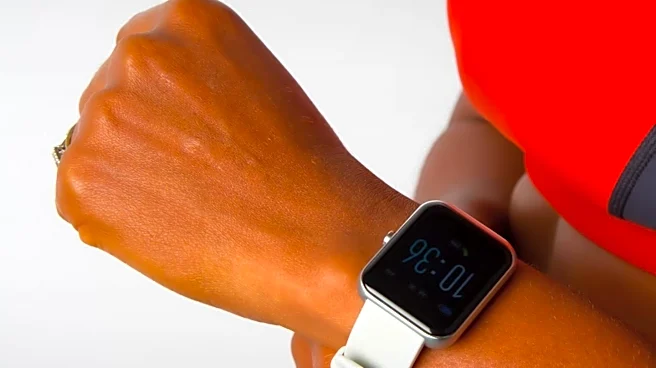
Wearable technology, encompassing small electronic devices worn on the body, is evolving beyond basic fitness tracking to include advanced health monitoring and lifestyle integration. These devices collect information or perform tasks throughout the day,
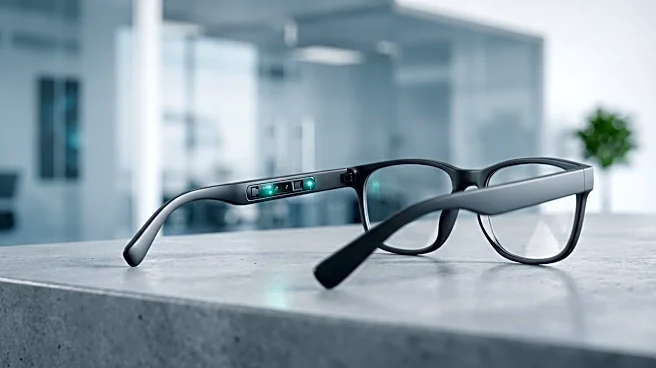
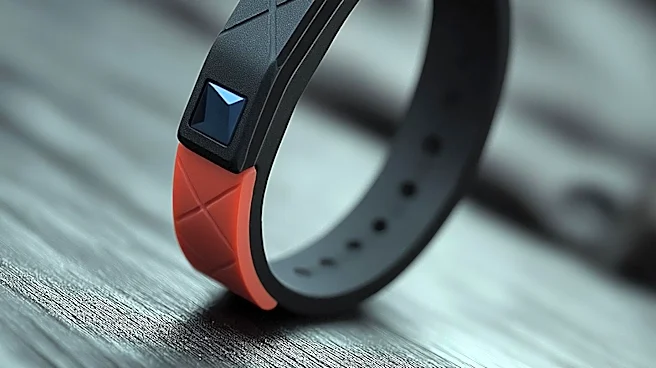
ranging from smart glasses and augmented reality hardware to health and fitness trackers. Fashion brands are increasingly playing a role in making wearables more desirable by incorporating smart features into existing apparel and accessories. Wearable wellness devices are designed to track activities and health metrics, offering personalized insights into daily habits and routines. Sleep wearable technology utilizes sensors to monitor movement, heart rate, and other indicators to estimate sleep stages, providing users with a clearer picture of their sleep quality. The European Smart Wearables Market Report highlights this trend of wearables focusing on health, fitness, and connectivity features. The definition of a wearable is broad, including devices like smart rings, smart glasses, hearables, and continuous glucose monitors, all sharing the common characteristics of skin contact, a battery, and sensors that convert physiological data into measurable numbers.
Why It's Important?
The expansion of wearable technology into comprehensive health monitoring and lifestyle integration holds significant importance for U.S. industries, public policy, and society. For the healthcare sector, these devices offer potential for proactive health management, early detection of health issues, and personalized wellness programs, potentially reducing healthcare costs and improving patient outcomes. The integration of wearables into fashion signifies a shift in consumer perception, moving these devices from niche gadgets to mainstream lifestyle products, which could drive mass adoption and create new market opportunities for both tech and fashion companies. The ability of wearables to track detailed health metrics, such as sleep patterns and heart rate, empowers individuals with data to make informed decisions about their well-being, fostering a more health-conscious society. However, this also raises concerns about data privacy and security, as these devices collect highly personal information, necessitating robust regulatory frameworks and transparent data handling practices to protect consumer trust and prevent misuse of sensitive health data.
What's Next?
The future of wearable technology is expected to see continued innovation in sensor accuracy and data interpretation, particularly in areas like stress scores and calorie expenditure, which currently rely on inferences rather than precise measurements. There will likely be a greater emphasis on validating the medical accuracy of health readings from consumer wearables, especially as they venture into more critical health monitoring, such as perimenopause tracking. Manufacturers will need to balance product innovation with affordability and clinical reliability to ensure broader accessibility across different healthcare systems. The integration of wearables with digital health ecosystems, including smartphones and cloud platforms, will enhance their clinical and commercial value. Furthermore, the market is anticipated to see more purpose-built devices addressing specific health concerns, like the Peri patch for hot flashes, indicating a move towards specialized wearable solutions. The ongoing challenge of battery life will also drive advancements in power efficiency and charging solutions to improve user convenience.
Beyond the Headlines
The deeper implications of the wearable technology trend extend to ethical considerations regarding data ownership and privacy. As wearables collect intimate details about users' bodies and daily lives, questions arise about who has access to this data, how it is used, and the potential for its exploitation. The increasing sophistication of these devices could lead to a societal shift where personal health data becomes a valuable commodity, influencing insurance premiums, employment opportunities, and even social interactions. There's also a subtle cultural shift towards self-quantification and a reliance on technology for self-awareness, which could alter traditional understandings of health and well-being. The challenge lies in ensuring that these technologies empower individuals without creating new forms of surveillance or exacerbating health anxieties. The development of clear privacy policies, user control over data, and ethical guidelines for data sharing will be crucial in shaping a responsible and beneficial future for wearable technology.