




What's Happening?
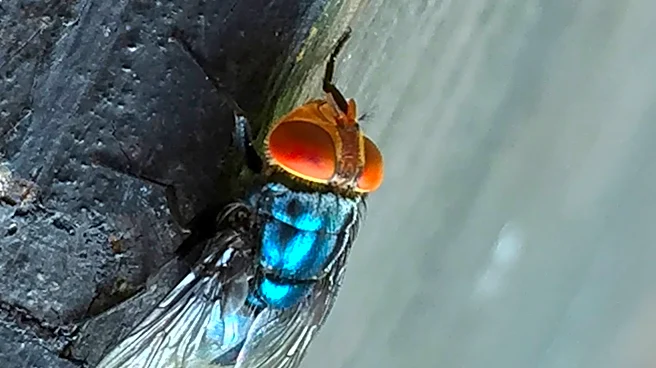
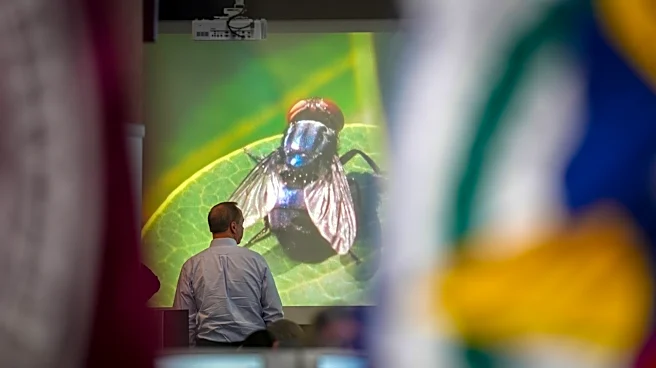
The U.S. Department of Agriculture (USDA) has confirmed two additional cases of the New World screwworm in Texas, highlighting the challenges in controlling this flesh-eating parasite. The screwworm, a fly larva that consumes living tissue, was found
in a calf and a dog in La Salle and Andrews counties. This brings the total to four confirmed cases in Texas, following initial detections in two calves in south Texas. The USDA has been actively working to prevent the spread of screwworm since its detection in Mexico in late 2024. Historically, screwworm was a significant issue for cattle ranchers in the U.S. until it was eradicated in the 1960s. The USDA is employing a strategy of breeding sterile male flies to curb the population, a method that has been effective in the past. However, Texas Agriculture Commissioner Sid Miller has criticized the federal response, suggesting that a poison bait could be a quicker solution, despite potential risks to other species.
Why It's Important?
The reemergence of screwworm in Texas poses a significant threat to the U.S. cattle industry, which is already facing high beef prices due to a reduced cattle population. The parasite's ability to infest live cattle, pets, and potentially humans, underscores the urgency of containment efforts. The USDA's strategy of using sterile male flies is a long-term solution, but immediate concerns remain about the potential spread of the parasite. The situation has already led to Canada halting livestock imports from Texas, indicating potential economic repercussions. The debate over the use of poison bait versus sterile flies reflects broader concerns about environmental and ecological impacts, as well as the effectiveness and speed of different eradication methods.
What's Next?
The USDA is ramping up efforts to increase sterile fly production and is planning to build a large-scale fly factory in Texas. Meanwhile, USDA Secretary Brooke Rollins is expected to address the issue in a news conference, which may provide further insights into federal strategies and responses. The ongoing monitoring and sampling of suspected cases will continue as authorities aim to prevent a widespread outbreak. The situation may prompt further discussions on border control measures, particularly concerning the movement of pets and livestock between the U.S. and Mexico.