





What's Happening?
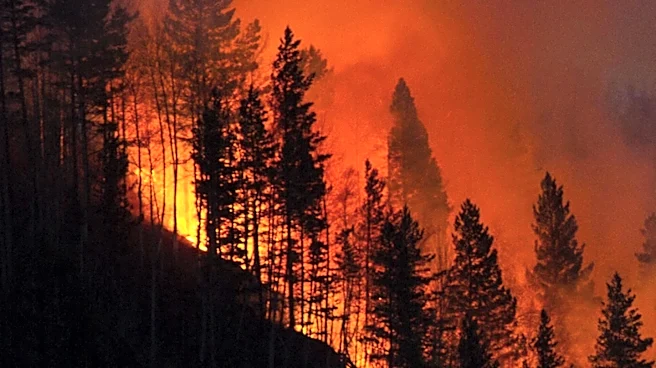
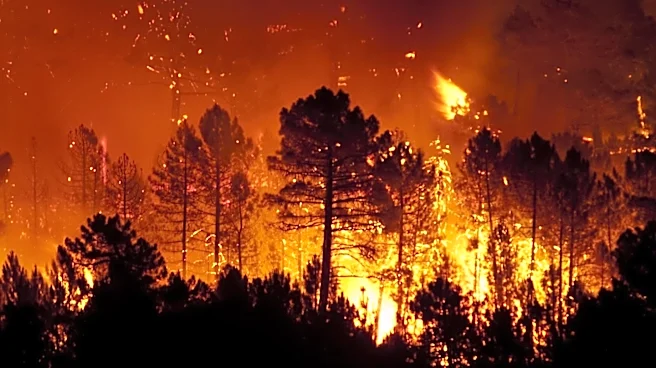
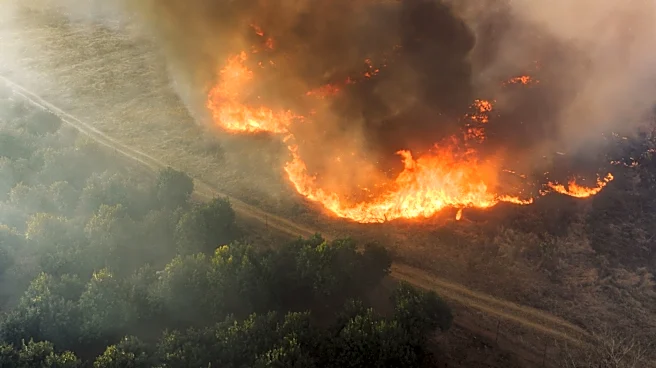
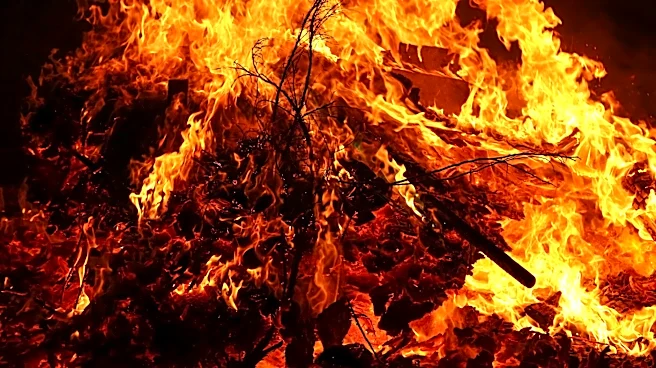
A recent outbreak of wildfires in western Ontario, Canada, and northern Minnesota is sending thick plumes of smoke toward the Great Lakes and the Northeast United States. According to the Canadian Interagency Forest Fire Centre, 32 wildfires ignited in Ontario, with
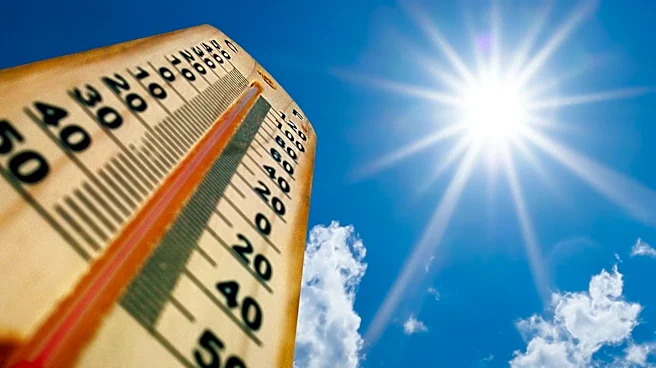
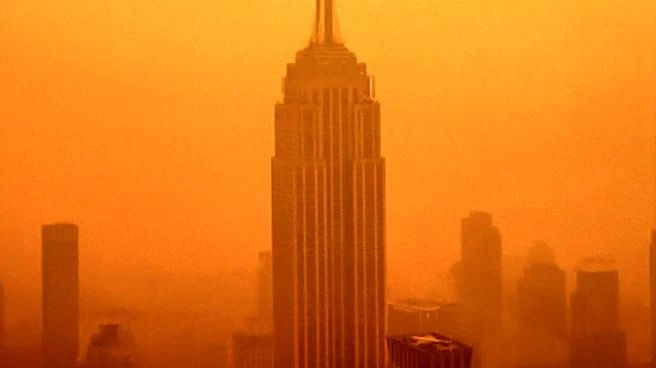
46 currently burning out of control. In Minnesota, several fires have intensified due to a heat dome driving record temperatures across the Northern Plains. The smoke is expected to create hazy skies and significantly reduce air quality across the Upper Midwest and Great Lakes, with the potential to reach the Interstate 95 corridor, affecting cities like Boston, New York City, and Philadelphia by Wednesday evening. The FOX Forecast Center warns that the smoke could lead to very unhealthy air quality levels, reminiscent of the June 2023 event that enveloped New York City in orange skies.
Why It's Important?
The influx of smoke from Canadian wildfires poses significant health risks to millions of residents in the affected areas. Poor air quality can exacerbate respiratory conditions, particularly for vulnerable populations such as children, the elderly, and those with pre-existing health issues. The situation is further compounded by a heat dome over the Northeast, which is expected to bring near-record temperatures, potentially worsening the air quality. This event highlights the interconnectedness of environmental issues across borders and underscores the need for coordinated efforts in wildfire management and climate change mitigation. The economic impact could also be substantial, affecting outdoor activities, tourism, and local businesses reliant on clean air and favorable weather conditions.
What's Next?
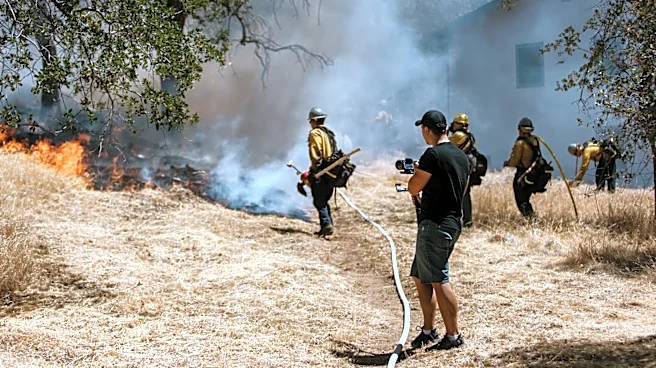
As the smoke plume moves toward the Northeast, air quality alerts have been issued for parts of northeastern Minnesota, urging residents to limit outdoor activities. The situation is being closely monitored by environmental authorities, and further advisories may be issued as conditions evolve. Residents in the affected areas are advised to stay informed about air quality levels and take precautions to protect their health, such as using air purifiers indoors and wearing masks outdoors if necessary. The ongoing wildfires in Canada and the U.S. highlight the need for increased investment in wildfire prevention and response strategies, as well as broader climate action to address the root causes of such extreme weather events.