


What's Happening?
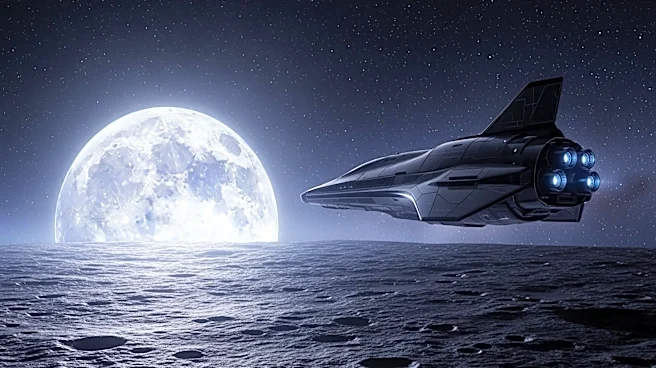
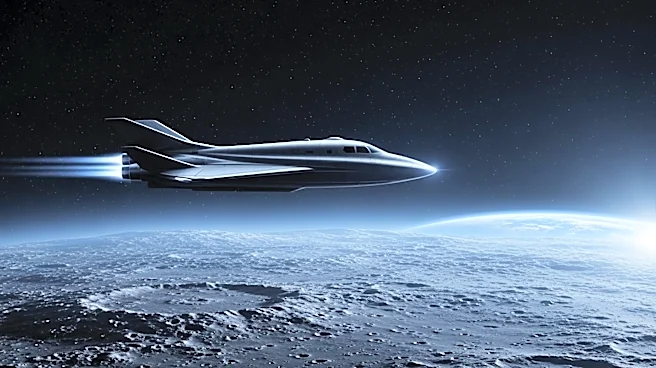
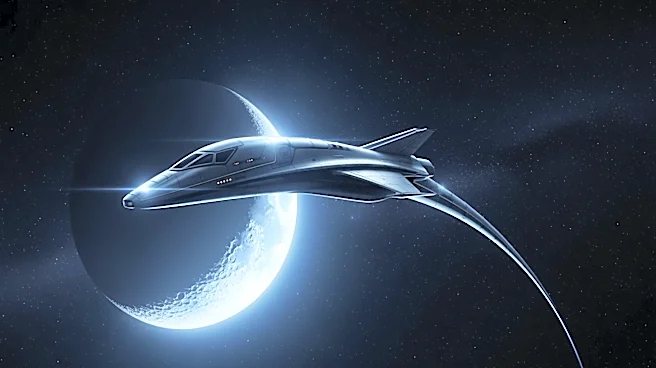
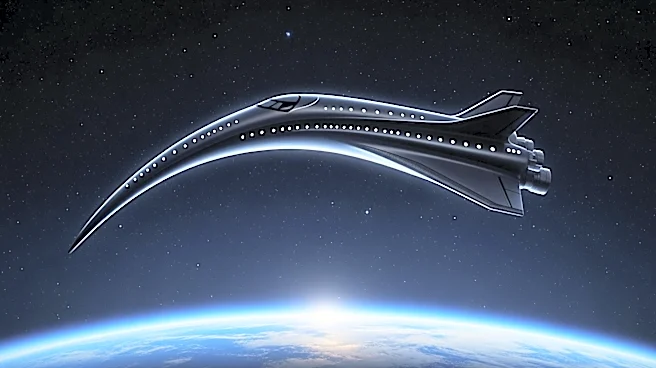
NASA's Artemis II mission has successfully sent a crewed spacecraft to the Moon for the first time since 1972. The mission, which launched on April 1, 2026, from Kennedy Space Center, involves a four-person crew aboard the Orion spacecraft. The crew includes
Commander Reid Wiseman, pilot Victor Glover, and mission specialists Christina Koch and Canadian Jeremy Hansen. The mission aims to establish a permanent human presence on the Moon, with the crew performing a lunar flyby and preparing for a splashdown off the coast of San Diego on April 10. The mission is part of NASA's broader Artemis program, which seeks to explore the Moon's resources and establish a sustainable human presence.
Why It's Important?
The Artemis II mission represents a significant milestone in human space exploration, marking the first crewed mission to the Moon in over five decades. This mission is crucial for advancing scientific research and technological innovation, as it aims to establish a permanent human presence on the Moon. The Moon's resources, such as Helium-3 and precious metals, could revolutionize energy production and support future space exploration. Additionally, the mission serves as a stepping stone for future Mars missions and highlights the importance of international collaboration in space exploration. The success of Artemis II could also stimulate economic growth and technological advancements on Earth.
What's Next?
Following the successful completion of Artemis II, NASA plans to continue its Artemis program with subsequent missions aimed at establishing a lunar base and further exploring the Moon's resources. The program's long-term goals include using the Moon as a gateway for future Mars missions and fostering international partnerships in space exploration. NASA will also focus on developing new technologies and infrastructure to support sustainable lunar operations. The success of Artemis II sets the stage for future missions and underscores the importance of continued investment in space exploration.