

What's Happening?
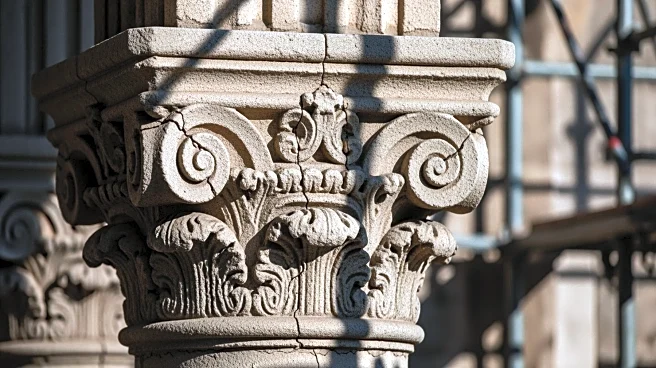
The Palace of Westminster, home to the UK Parliament, is facing significant structural challenges, including asbestos, mice infestations, and outdated facilities. A recent meeting of over 400 MPs and peers highlighted the inadequacies of the current infrastructure,
as the venue could only accommodate 170 attendees. The UK government is considering various 'restoration and renewal' options, with potential costs ranging from £8.4 billion to £18.7 billion and timelines extending up to 61 years. The options include relocating MPs temporarily or conducting a full decant to facilitate necessary repairs and upgrades.
Why It's Important?
The state of the Palace of Westminster is emblematic of broader issues within the UK's political infrastructure. The building's deterioration poses health and safety risks, and its inadequacies hinder the effective functioning of the government. The restoration project is not only a matter of preserving a historic landmark but also ensuring that the UK Parliament can operate efficiently in a modern context. The decision on how to proceed with the restoration will have significant financial implications and could set a precedent for how the UK addresses similar challenges in other public buildings.
What's Next?
The UK Parliament is expected to vote on the restoration options as early as March. The decision will determine the future of the Palace of Westminster and the temporary arrangements for MPs and peers during the renovation. The outcome will likely influence public opinion on government spending and priorities, as well as the UK's approach to maintaining its historic sites. Stakeholders, including political leaders and the public, will be closely watching the developments to ensure that the chosen plan balances historical preservation with modern functionality.