
What's Happening?
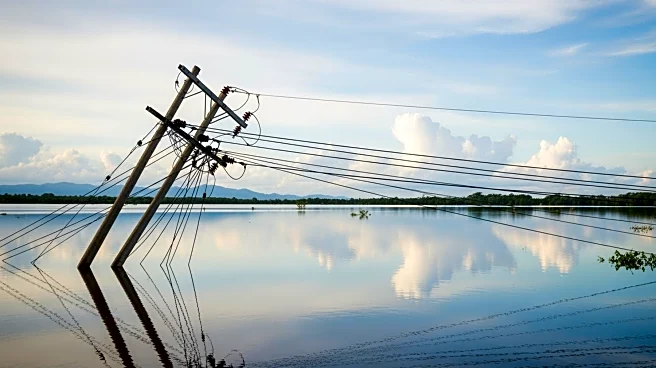
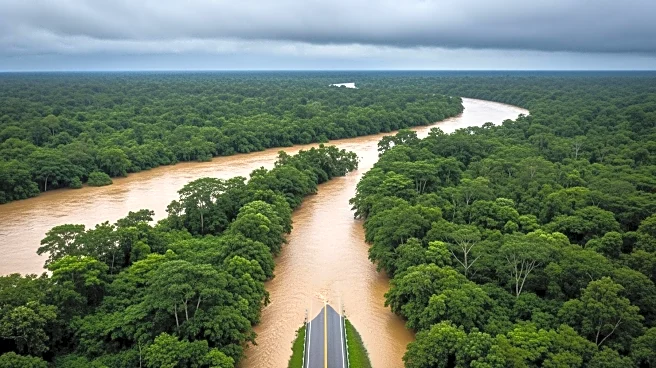
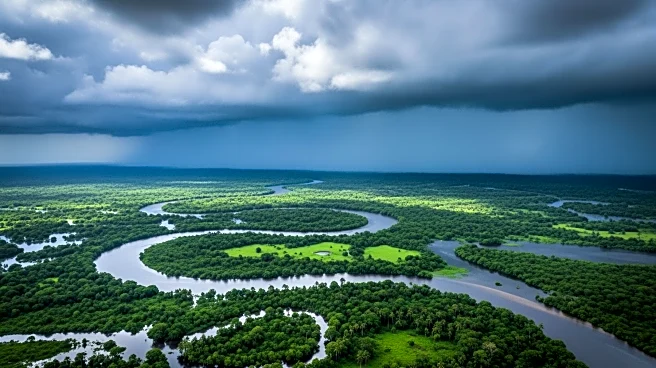
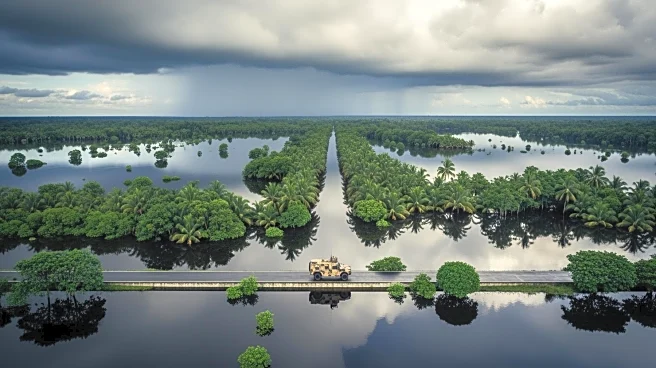
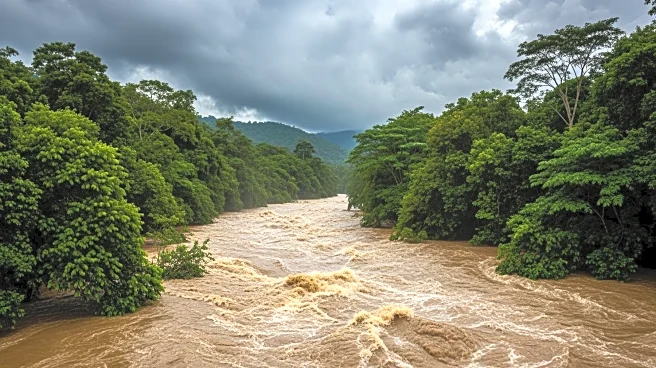
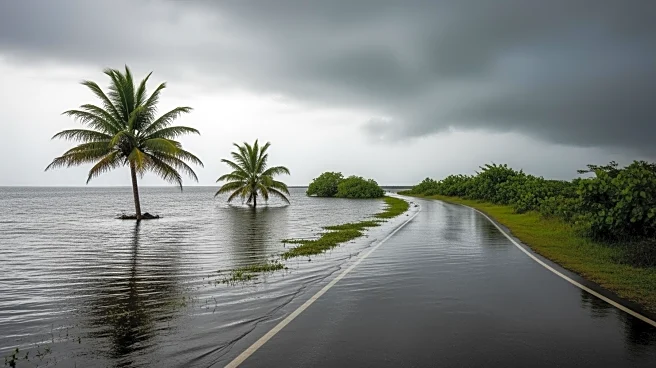
Hawaii is grappling with the aftermath of severe flooding caused by recent storms, which have brought up to 4 feet of rain to parts of O'ahu and Maui. The storms have led to significant infrastructure damage, including to airports, schools, roads, and homes,
with costs potentially exceeding $1 billion. Governor Josh Green has confirmed that more than 200 people were rescued, and over 2,000 were left without power. The National Guard has been deployed to assist in rescue operations. The flooding has also displaced residents, including actor Jason Momoa, who shared his experience on social media. State leaders are coordinating with federal authorities to secure assistance for recovery efforts.
Why It's Important?
The flooding in Hawaii underscores the increasing frequency and intensity of extreme weather events, which are often linked to climate change. The financial impact is substantial, with damages potentially exceeding $1 billion, affecting public infrastructure and private properties. This disaster highlights the vulnerability of island communities to climate-related events and the urgent need for robust disaster preparedness and response strategies. The economic burden of recovery will likely strain state resources, necessitating federal support. The situation also raises awareness about the broader implications of climate change on coastal and island regions.
What's Next?
Hawaii's recovery efforts will involve extensive rebuilding and repair of damaged infrastructure, which could take months or even years. The state will likely seek additional federal aid to support these efforts. There may also be increased discussions around improving infrastructure resilience to withstand future climate-related events. The disaster could prompt policy changes aimed at enhancing emergency preparedness and response capabilities. Community support and volunteer efforts will be crucial in aiding those affected by the floods.