






What's Happening?
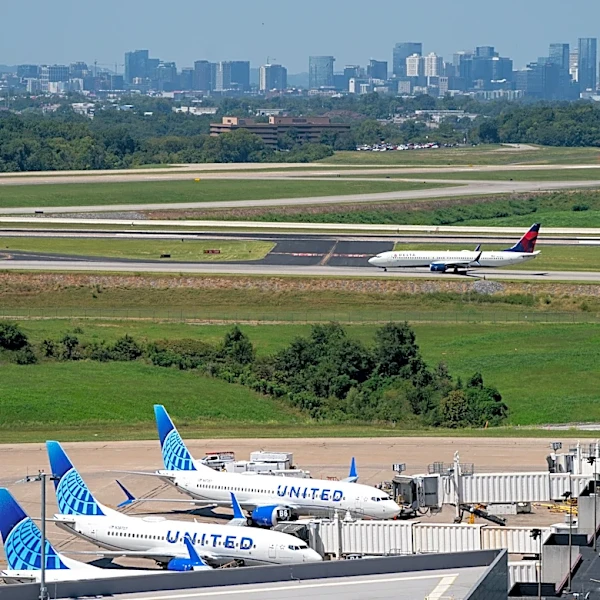
Great Falls International Airport (GTF) is promoting the region of Great Falls, Montana, as a central hub for accessing various outdoor and wilderness destinations. The airport emphasizes its role as a 'Basecamp for discovering Genuine Montana,' highlighting
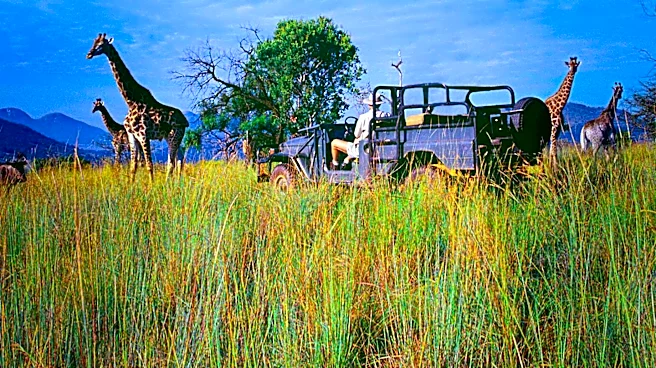
the area's diverse landscape and wildlife. GTF is positioned halfway between Glacier National Park and Yellowstone National Park, offering convenient access to both. Additionally, it is a gateway to the Bob Marshall Wilderness Complex, one of the largest roadless areas in the U.S., known for its high grizzly bear population density. The Upper Missouri River, located thirty miles south of Great Falls, is also featured for its significant trout population and wildlife viewing opportunities, including eagles, osprey, and bighorn sheep. The airport advises travelers to arrive two hours early for flights, especially if checking in or checking bags.
Why It's Important?
The promotion by Great Falls International Airport is important for regional tourism and economic development in Central Montana. By positioning itself as a 'Basecamp,' GTF aims to attract more visitors, which can boost local businesses, hospitality services, and outdoor recreation industries. The emphasis on proximity to national parks and wilderness areas like the Bob Marshall Wilderness Complex and the Upper Missouri River highlights Montana's natural assets, potentially drawing a specific demographic of eco-tourists and outdoor enthusiasts. Increased air travel and tourism can lead to job creation and revenue generation for the state, supporting local communities and conservation efforts related to these natural attractions. The airport's advice on early arrival also underscores its commitment to efficient travel experiences, which is crucial for maintaining positive visitor impressions and encouraging repeat tourism.
What's Next?
Great Falls International Airport will likely continue its efforts to market the region as a prime destination for outdoor adventure and wilderness exploration. This could involve further collaborations with local tourism boards, national parks, and outdoor recreation outfitters to develop comprehensive travel packages and promotional campaigns. The airport may also explore expanding its flight routes or increasing flight frequencies to accommodate a growing number of tourists drawn by these attractions. Additionally, as more visitors arrive, there may be a need for enhanced infrastructure and services within Great Falls and surrounding areas to support the influx of tourism, such as additional lodging, dining options, and guided tour services. Continued monitoring of visitor numbers and economic impact will be crucial for assessing the success of these promotional strategies.
Beyond the Headlines
The airport's focus on 'Genuine Montana' and its natural wilderness areas points to a broader trend in tourism that prioritizes authentic experiences and environmental engagement. This approach can foster a deeper appreciation for conservation and sustainable tourism practices among visitors. The mention of the Bob Marshall Wilderness Complex and its grizzly bear population also highlights the delicate balance between human recreation and wildlife preservation, prompting discussions about responsible tourism and wildlife management. Furthermore, promoting access to such vast natural landscapes can contribute to the mental and physical well-being of travelers seeking respite from urban environments. The economic benefits of this tourism strategy could also encourage local communities to invest further in preserving their natural heritage, creating a virtuous cycle of conservation and economic growth.