





What's Happening?
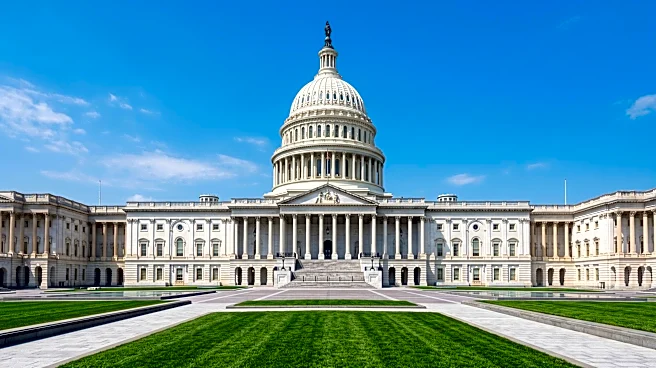
Congressman August Pfluger's bipartisan bill, the 'Environmental Monitoring and Remediation Technology Assessment Initiative (EMRTAI) Authorization Act,' has successfully passed the U.S. House of Representatives. This legislation aims to facilitate the recovery
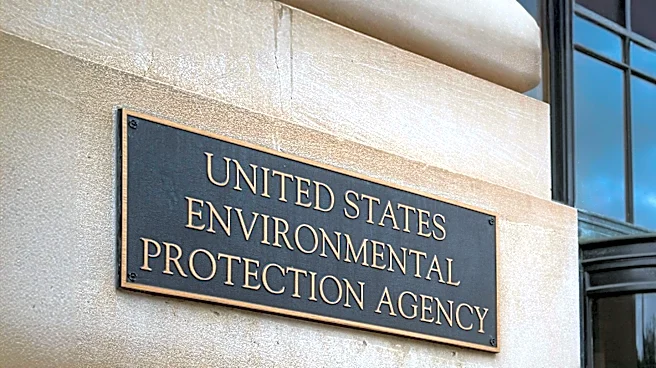
of critical minerals from contaminated sites and waste streams across the nation. The bill directs the Environmental Protection Agency (EPA) to expand its EMRTAI program, which is designed to identify and support mineral recovery efforts while simultaneously advancing environmental cleanup initiatives. This marks the 13th bill sponsored by Congressman Pfluger to pass the House during his current term. The measure is intended to bolster domestic supply chains for critical minerals and reduce reliance on foreign sources. Representative Greg Landsman also commented on the bill, calling it an 'investment in American innovation' and the 'domestic supply chain.'
Why It's Important?
The passage of Congressman Pfluger's bill is significant for several reasons, primarily its potential impact on U.S. national security and economic independence. By promoting the recovery of critical minerals from domestic waste streams, the United States can reduce its reliance on foreign adversaries for these essential resources. Critical minerals are vital components in numerous advanced technologies, including electronics, renewable energy systems, and defense applications. A secure domestic supply chain for these minerals is crucial for technological innovation and national defense. Furthermore, the bill's focus on environmental remediation means that economic benefits are coupled with ecological improvements, addressing both resource scarcity and pollution. This initiative could also stimulate job growth in the mining, recycling, and environmental technology sectors, contributing to economic development in regions where these waste streams are located.
What's Next?
Following its passage in the House, Congressman Pfluger's bill will now move to the Senate for consideration. If it passes the Senate, it will then be sent to the President for his signature to become law. Should the bill be enacted, the EPA will be tasked with expanding the EMRTAI program, which will involve identifying suitable sites, developing new technologies for mineral extraction, and collaborating with private industry and research institutions. Stakeholders, including environmental groups, mining companies, and technology manufacturers, will likely monitor its implementation closely. The success of the program will depend on effective inter-agency coordination and the allocation of sufficient resources to scale up mineral recovery operations. Future steps may also include pilot projects and further legislative efforts to streamline regulations related to critical mineral extraction and recycling.
Beyond the Headlines
Beyond its immediate goals of mineral recovery and environmental cleanup, this legislation touches upon broader themes of resource management and circular economy principles. The bill implicitly acknowledges the value in what was once considered waste, shifting towards a more sustainable approach to resource utilization. This could set a precedent for future policies that encourage the extraction of valuable materials from industrial byproducts and consumer waste, fostering a more resilient and self-sufficient economy. Ethically, it addresses the responsibility of managing industrial waste while simultaneously creating economic opportunities. Legally, it could lead to new regulatory frameworks for waste processing and mineral extraction, potentially influencing environmental standards and industrial practices. Culturally, it may promote a greater awareness of resource scarcity and the importance of recycling and reuse, encouraging innovation in sustainable technologies and practices across various sectors.