






What's Happening?
Los Angeles officials have given the green light for a significant redevelopment project at the site of the Toyota of Hollywood dealership, located at 6000 Hollywood Boulevard. The project, which has been in the planning stages for several years, will
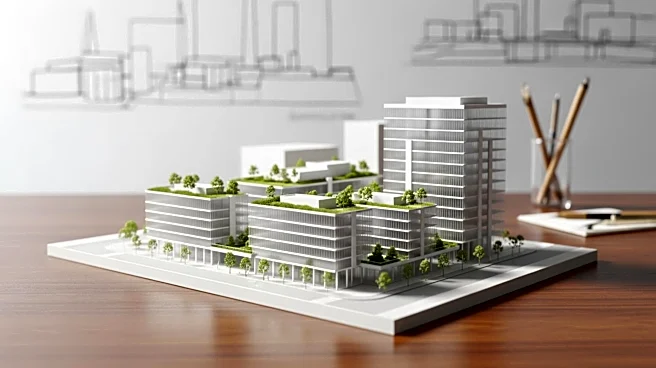
transform the long-standing auto dealership into a mixed-use urban campus. This development will include a 35-story tower, 350 apartments with 44 designated as affordable housing, 136,000 square feet of office space, and 22,500 square feet of retail space. Additionally, the project will feature 23,500 square feet of publicly accessible open space. The redevelopment reflects a broader trend in Los Angeles, where low-density, auto-oriented properties are being converted into projects that integrate housing, jobs, shopping, and pedestrian-friendly public spaces. The proposal first surfaced in May 2023 and has since navigated through various stages of city approval, culminating in a final vote by the City Council in March 2026.
Why It's Important?
This redevelopment is significant as it addresses the ongoing housing shortage in Los Angeles by increasing residential density in a prime location. The inclusion of affordable housing units is particularly crucial in a city grappling with high living costs and a lack of affordable housing options. The project also represents a shift towards more sustainable urban planning, emphasizing mixed-use developments that reduce reliance on automobiles and promote walkability. This transformation could serve as a model for other cities facing similar challenges, potentially influencing urban development policies and practices across the U.S. The economic impact is also notable, as the project is expected to create jobs and stimulate local economic activity through increased retail and office space.
What's Next?
With the final approvals in place, the next steps involve the commencement of construction activities at the site. Stakeholders, including local businesses and residents, will likely monitor the project's progress closely, given its potential impact on the community and local economy. The development could also prompt further discussions among city planners and policymakers about the future of urban development in Los Angeles, particularly in terms of balancing growth with sustainability and affordability. As construction progresses, there may be opportunities for public engagement and feedback to ensure the project meets community needs and expectations.