


What's Happening?
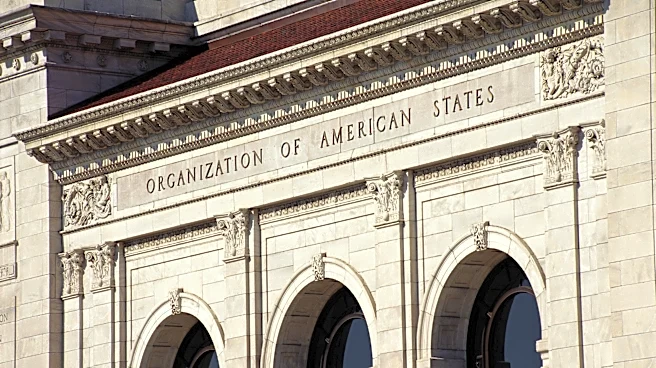
The Pan American Health Organization (PAHO) has concluded that the United States has reestablished endemic measles transmission, leading to the revocation of its measles elimination status. This decision follows a significant surge in measles cases, with
5,412 confirmed cases reported in 2026 as of November 12, more than double the total from 2025. The national MMR vaccination rate for school-age children has fallen to 92.4% for the 2025–2026 academic year, with 39 states reporting rates below the 95% threshold necessary for herd immunity. The Centers for Disease Control and Prevention (CDC) recorded 43 new outbreaks in 2026, with 96% of confirmed cases linked to these outbreaks. Pennsylvania is the most affected state, reporting 1,542 cases. The reestablishment of endemic transmission is defined by PAHO criteria as an uninterrupted chain of transmission of the same measles virus genotype and lineage for at least 12 months within a defined geographical area. The 12-month countdown began on January 20, 2025, with the identification of the first case in West Texas, and the transmission chain has since expanded to numerous other states.
Why It's Important?
The revocation of the U.S.'s measles elimination status marks a significant public health setback, indicating a weakening of the nation's defenses against highly contagious diseases. Measles, with its 90% infection rate and ability to remain airborne for up to two hours, poses a severe threat, particularly to unvaccinated individuals, who account for nearly all recorded cases in 2026. This resurgence highlights critical gaps in public health infrastructure and vaccine confidence, which could have broader implications for the control of other preventable diseases. The decline in MMR vaccination rates below the herd immunity threshold leaves communities vulnerable and increases the risk of widespread outbreaks. The situation also raises concerns about the CDC's ability to effectively communicate public health risks, as reports indicate that alerts and updates regarding measles were not approved or published in a timely manner. This institutional challenge could erode public trust in health authorities and hinder future public health responses.
What's Next?
To regain its measles elimination status, the United States must demonstrate at least 12 consecutive months without endemic transmission. PAHO's framework does not provide a fixed timeline for recertification, but late 2027 is a conditional estimate, dependent on when transmission is effectively interrupted. The medical community has expressed strong concern, with the Infectious Diseases Society of America stating that it is 'unthinkable that people in the United States should be dying from measles in 2026.' Experts like former CDC official Dr. Demetre Daskalakis warn that losing this status reveals 'cracks in our foundation' and indicates a reduced preparedness for future infectious disease challenges. The U.S. may also become an 'exporter of measles to other countries,' according to epidemiologist Céline Gounder, impacting global public health. Reversing this trend will require a concerted effort to rebuild public trust in vaccines, strengthen public health infrastructure, and ensure robust institutional leadership.
Beyond the Headlines
The reemergence of endemic measles in the U.S. extends beyond a mere health crisis, touching upon deeper societal and ethical implications. The decline in vaccination rates reflects a growing skepticism towards established medical science and public health recommendations, potentially fueled by misinformation and a lack of consistent public health messaging. This erosion of public trust could have long-term consequences for collective health initiatives and the ability to respond to future health threats. Ethically, the decision not to vaccinate, while a personal choice, has broader community implications, as it compromises herd immunity and endangers vulnerable populations, including infants too young to be vaccinated and individuals with compromised immune systems. The institutional challenges within the CDC, such as the alleged suppression of alerts and reports, raise questions about transparency and accountability in public health governance. This situation underscores the critical need for robust, transparent, and trusted public health institutions to safeguard national and global health.