





What's Happening?
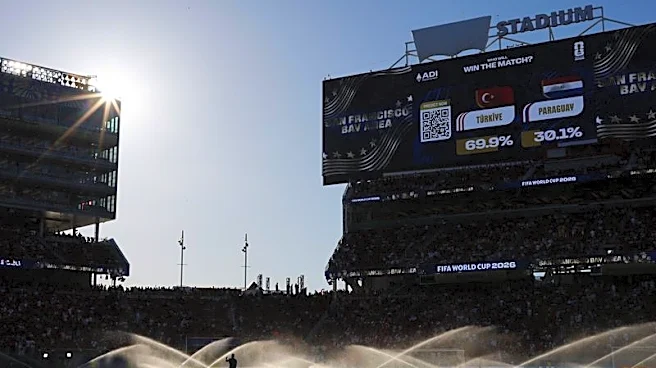
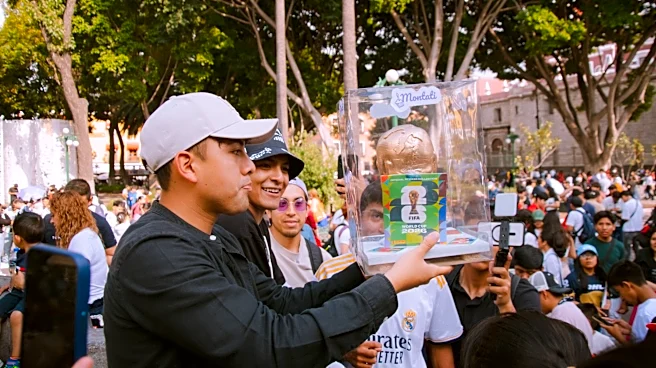
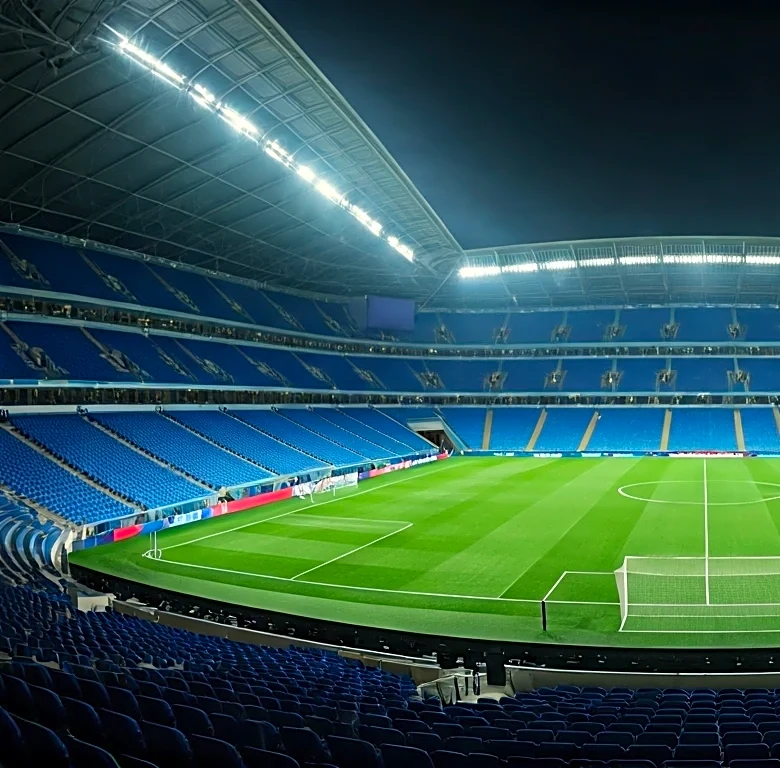
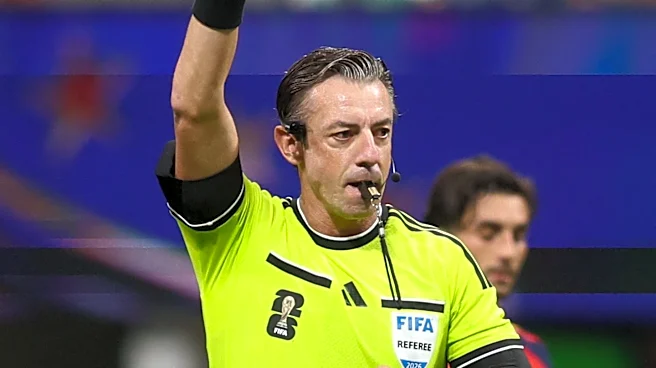
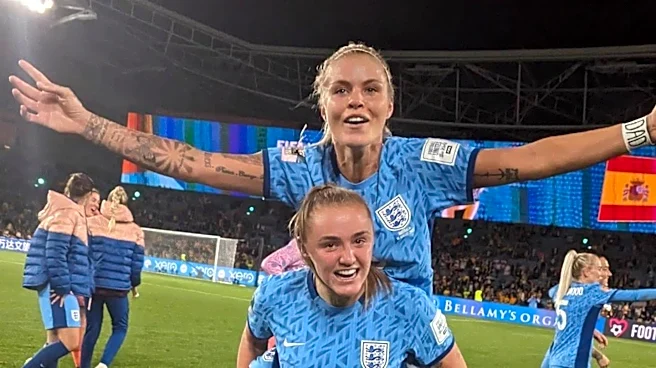
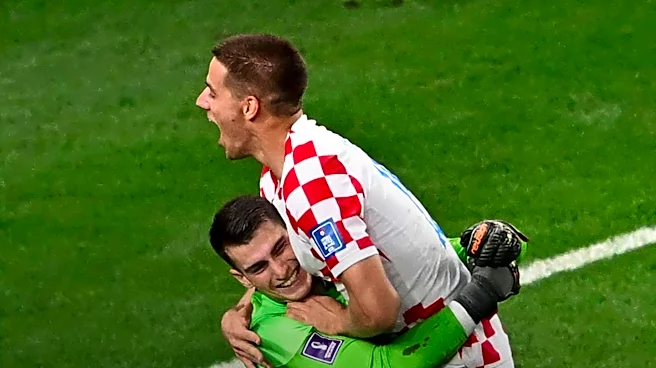
As the United States hosts World Cup matches, fans and athletes from around the world are experiencing American culture firsthand. This influx of international visitors provides a unique opportunity to reflect on how America is perceived globally. The
warm welcome extended to World Cup attendees contrasts with the country's recent immigration policies, sparking discussions about the nation's identity and values. NPR's Brittany Luse, along with reporters Jasmine Garsd and Juliana Kim, explore these themes, examining the cultural exchange occurring during the event.
Why It's Important?
The World Cup serves as a microcosm of global cultural exchange, highlighting both the diversity and contradictions within American society. The event underscores the potential for sports to bridge cultural divides and foster mutual understanding. However, it also brings to light the complexities of America's immigration stance, as the hospitality shown to international visitors contrasts with stricter immigration policies. This dichotomy raises questions about national identity and the values America projects to the world.
What's Next?
The ongoing World Cup matches in the U.S. may prompt further dialogue on immigration and cultural identity. As the event progresses, there could be increased scrutiny on how the U.S. balances its role as a global host with its domestic policies. This situation might influence future policy discussions and shape public opinion on immigration and cultural inclusivity.