


What's Happening?
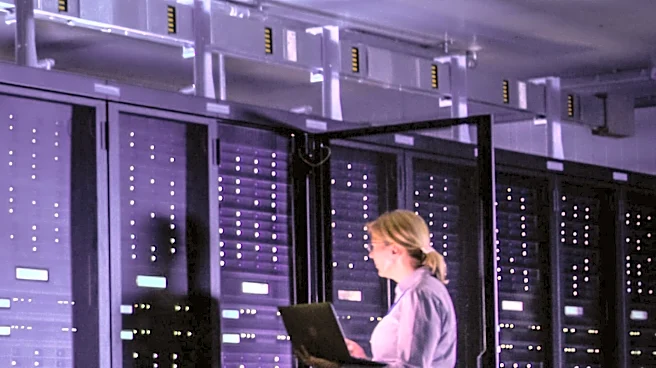
The City of Missoula has adopted a new definition for data centers, shifting the focus from the amount of floor space dedicated to equipment to the facility's actual use for remote storage, processing, and distribution of data for third parties. This
amendment closes a loophole that previously allowed certain data centers to operate without public hearings. According to City Attorney Ryan Sudbury, the new definition effectively blocks traditional data centers that process data for off-site use and are not part of an enterprise. This move comes as Missoula County implemented a temporary moratorium on data centers in July and launched a study on their impacts, with the city anticipating action from the 2027 Legislature regarding data center regulations, including electrical use and environmental impacts.
Why It's Important?
The adoption of a stricter data center definition by Missoula is a proactive measure to control the proliferation of these facilities, which can have significant environmental and infrastructural impacts, particularly concerning electrical consumption and cooling needs. This action reflects a growing concern among local governments about the unbridled expansion of data centers and their demands on local resources. By closing the loophole, Missoula aims to prevent rapid development before comprehensive regulations are in place. This move could influence other jurisdictions facing similar challenges, setting a precedent for how cities manage the growth of the technology sector to align with local environmental and resource sustainability goals. It also highlights the increasing role of local governments in shaping technology infrastructure development.
What's Next?
The City of Missoula will closely monitor the 2027 Legislature for potential state-level actions on data center regulations. The city's new definition provides a temporary measure to control development while awaiting the outcome of Missoula County's study on data center impacts. Future regulations could address specific concerns such as electrical load and cooling requirements. City Attorney Ryan Sudbury indicated that as the data center industry evolves, there will be better methods for targeting and mitigating unwanted impacts. This suggests a potential for more nuanced and adaptive regulatory frameworks in the future, aiming to balance technological advancement with environmental and community well-being.
Beyond the Headlines
The Missoula situation underscores a broader national challenge: how local communities can manage the rapid growth of data centers, which are essential for the digital economy but can strain local resources. The debate touches on issues of energy consumption, particularly in an era of climate change concerns, and the balance between economic development and environmental protection. The proactive stance by Missoula, anticipating legislative action, reflects a shift towards more localized control over technology infrastructure. This could lead to a patchwork of regulations across different states and municipalities, potentially complicating national development strategies for data centers. The focus on a facility's 'use' rather than just its physical characteristics also represents an evolving approach to zoning and land-use planning in the digital age.