


What's Happening?
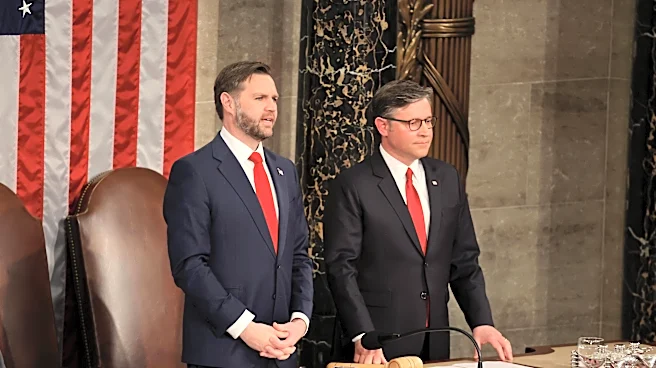
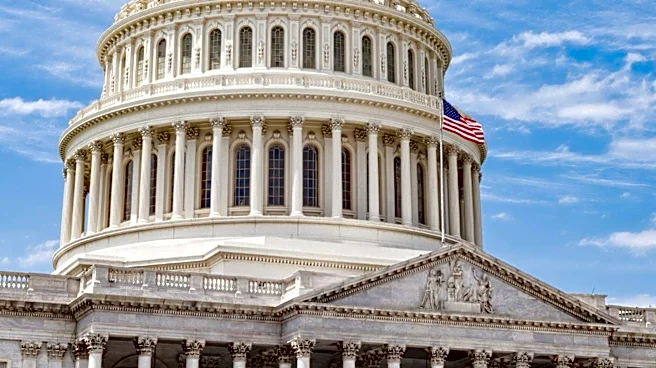
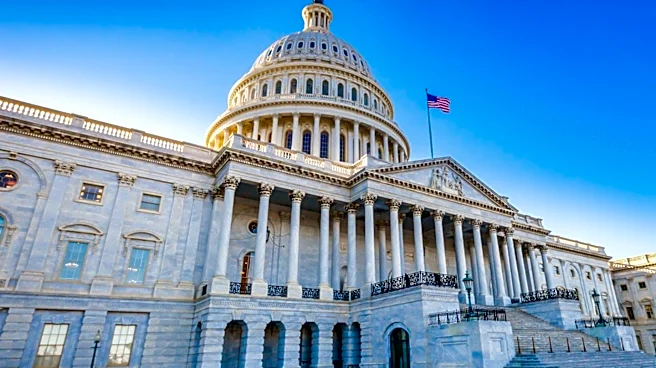
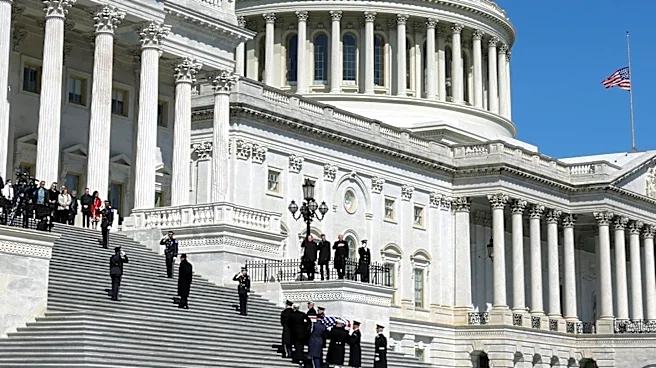
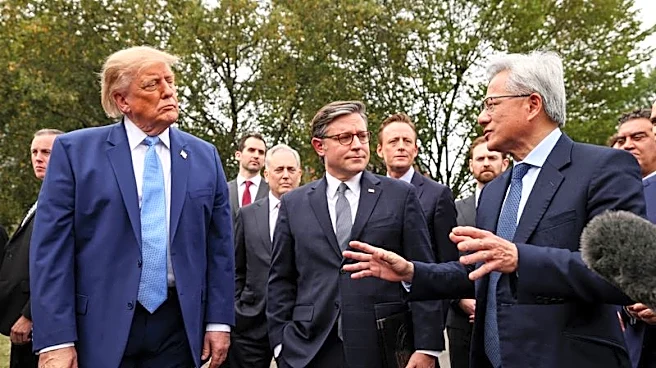
Speaker Mike Johnson, R-La., joined by Republican and Democratic lawmakers, hosted a bipartisan Veterans Day tribute on the steps of the U.S. Capitol. The event aimed to honor veterans, with Johnson emphasizing the symbolic unity of the 'People’s House'
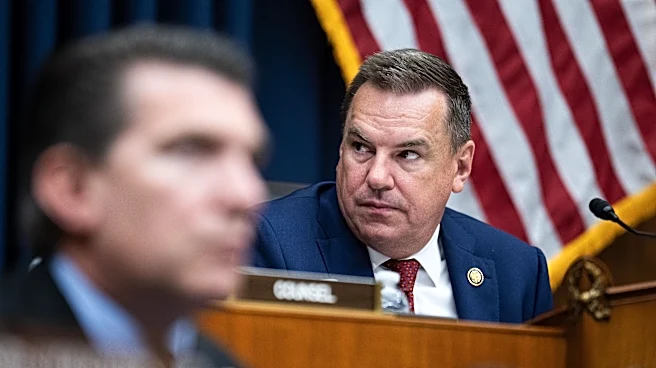
in recognizing their service. Notably absent was House Democratic Leader Hakeem Jeffries, D-N.Y., who was scheduled to co-host; Rep. Ted Lieu of California, vice chair of the House Democratic Caucus, spoke in his stead. Lieu, an Air Force veteran, highlighted the ongoing struggle many veterans face in receiving earned care and benefits, calling it 'unconscionable, unacceptable, and un-American.' He also mentioned a bipartisan effort by House Democrats to advance the Major Richard Star Act, which seeks to ensure catastrophically injured veterans receive full benefits currently denied to them. Johnson acknowledged several veteran lawmakers, including Rep. Mike Bost, R-Ill., and Rep. Jack Bergman, R-Mich., and shared a story about a World War II veteran's sacrifice.
Why It's Important?
This bipartisan gathering underscores a rare moment of unity in a politically divided Congress, particularly in the context of honoring veterans. The focus on the Major Richard Star Act highlights a critical legislative priority aimed at addressing systemic issues in veterans' benefits. If passed, this act could significantly improve the lives of many severely injured veterans by ensuring they receive the full compensation they are due, rather than having certain benefits offset. The event also serves as a reminder of the shared responsibility across the political spectrum to support those who have served, potentially fostering future bipartisan cooperation on veterans' issues. The absence of Leader Jeffries, while noted, did not detract from the overall message of solidarity in honoring service members, with Rep. Lieu effectively stepping in to represent Democratic leadership.
What's Next?
The bipartisan effort to advance the Major Richard Star Act suggests that legislative action on veterans' benefits may gain momentum. Lawmakers from both parties will likely continue discussions and push for the bill to be brought to the floor for a vote. The upcoming change in House control, with Democrats expected to take over, could influence the legislative agenda, potentially prioritizing bills like the Major Richard Star Act. Stakeholders, including veterans' advocacy groups, will closely monitor these developments, lobbying for the passage of legislation that addresses the needs of service members. The event also sets a precedent for future bipartisan tributes and collaborations on issues of national importance, even amidst political transitions.
Beyond the Headlines
The tribute extends beyond a simple recognition of veterans; it touches upon the broader societal contract with those who serve. Rep. Lieu's strong condemnation of denied benefits highlights a persistent ethical and moral challenge within the U.S. system. The call to 'end forever reckless wars,' echoing President Dwight D. Eisenhower, suggests a deeper reflection on foreign policy and its long-term impact on service members. This event subtly reinforces the idea that while political battles are common, certain foundational values, such as honoring military service and ensuring veterans' well-being, should transcend partisan divides. It also brings to light the ongoing need for systemic reforms to ensure that the sacrifices made by veterans are fully acknowledged and supported by the nation.