


What's Happening?
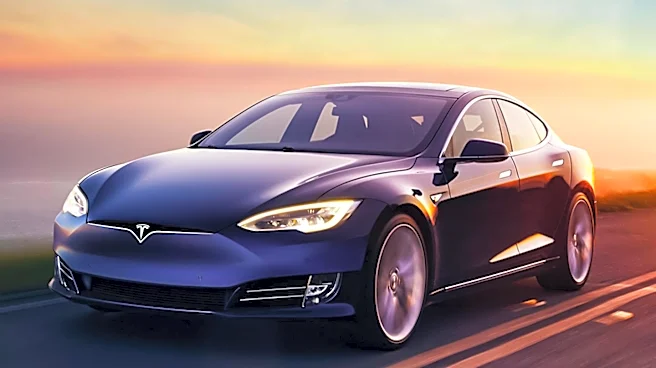
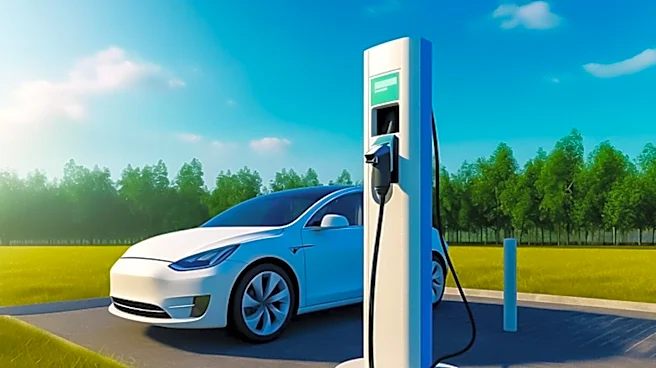
Governor Gavin Newsom has announced a new program offering instant rebates of up to $3,500 for Californians purchasing their first zero-emission vehicle. This initiative is positioned as a counter to President Trump's fossil fuel policies and rollback
of federal electric vehicle (EV) support. The rebate program provides up to $3,500 toward a new zero-emission vehicle priced up to $50,000 and $1,750 for a used vehicle up to $25,000. The state is investing $135.5 million, with automakers matching the funds to total $271 million in incentives. Newsom emphasized California's leadership in clean energy and criticized Trump's rollback of federal EV support. Critics argue the rebate diverts funds from pressing issues like housing affordability and homelessness.
Why It's Important?
The introduction of this rebate program is significant as it underscores California's commitment to clean energy and reducing reliance on fossil fuels. By providing financial incentives for zero-emission vehicles, the state aims to increase the adoption of EVs, which could lead to a reduction in greenhouse gas emissions and air pollution. This move also highlights the ongoing tension between state and federal policies regarding environmental regulations. While California pushes forward with its clean energy agenda, President Trump's administration has been rolling back federal support for EVs, creating a complex landscape for automakers and consumers. The program could potentially boost the local economy by supporting California-based companies and reducing dependence on oil.
What's Next?
The rebate program is expected to encourage more Californians to switch to electric vehicles, potentially increasing the market share of EVs in the state. Automakers participating in the program, such as Hyundai, Lucid, and Tesla, are likely to see a boost in sales. However, the program's success will depend on consumer response and the ability of automakers to meet demand. Additionally, the program may face challenges from critics who argue that funds should be allocated to other pressing issues. The ongoing legal battles between California and the federal government over environmental regulations will also play a role in shaping the future of the state's clean energy initiatives.