






What's Happening?
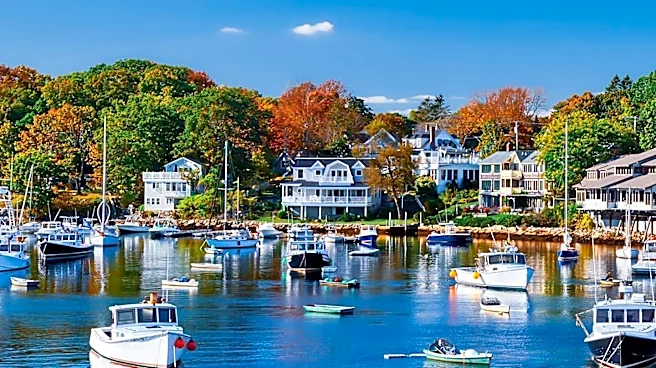
Newport, Rhode Island, a popular tourist destination known for its stunning natural beauty and vibrant community, is experiencing significant growth in tourism. The city, located on the southern tip of Aquidneck Island, attracts over 3.5 million visitors
annually, drawn by its Gilded Age mansions, world-class events like the Newport Folk Festival, and its rich nautical heritage. This influx has led to increased congestion, especially during the summer months, with major thoroughfares becoming heavily trafficked. The demand for accommodations has surged, with peak-season hotel rates often exceeding $500 a night. Despite these challenges, Newport remains a beloved home for locals, who appreciate its year-round vibrancy and community spirit.
Why It's Important?
The surge in tourism in Newport highlights the broader economic impact on local businesses and the hospitality industry. While the influx of visitors boosts the local economy, it also presents challenges such as overcrowding and inflated lodging prices, which can deter potential tourists. The situation underscores the need for sustainable tourism strategies that balance economic benefits with quality of life for residents. The city's ability to manage these challenges will be crucial in maintaining its appeal as a tourist destination while ensuring that the local community continues to thrive.
What's Next?
As Newport continues to attract tourists, city planners and local businesses may need to explore strategies to manage the high demand and mitigate congestion. This could involve infrastructure improvements, enhanced public transportation options, and the development of off-peak tourism initiatives to distribute visitor numbers more evenly throughout the year. Additionally, there may be opportunities to expand accommodation options to cater to the growing number of visitors, potentially easing the pressure on existing hotels and short-term rentals.
Beyond the Headlines
The situation in Newport reflects a broader trend in popular tourist destinations where the balance between economic growth and community well-being is increasingly scrutinized. The city's experience could serve as a case study for other destinations facing similar challenges, highlighting the importance of community engagement in tourism planning. Moreover, the emphasis on preserving Newport's unique cultural and historical identity amidst rapid growth could inspire other cities to prioritize heritage conservation in their development strategies.