






What's Happening?
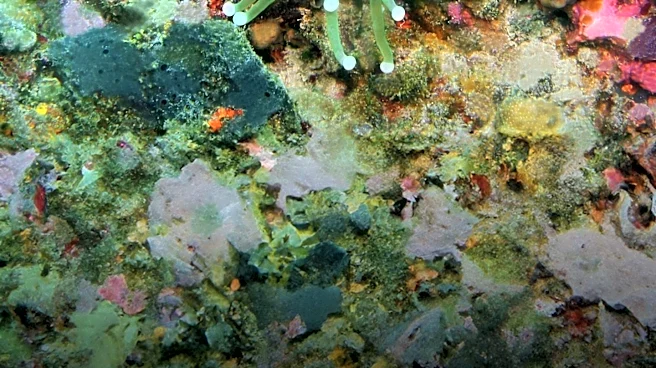
The term 'Anemone' refers to several distinct entities, including a type of flower known for its vibrant colors and delicate appearance, frequently used in floral arrangements. It also identifies a marine animal, the sea anemone, which is a sessile predatory
polyp. Furthermore, 'Anemone' is the name of a fragrance, Anemone Eau de Parfum by GROVE England, which draws inspiration from the flower and features notes such as chamomile, jasmine, linden, and cedarwood. The flower itself is a popular choice for bouquets and is recognized for its aesthetic qualities. The sea anemone, on the other hand, is a fascinating creature of the ocean, often found attached to rocks or coral, using its stinging tentacles to capture prey. The fragrance highlights the versatility of the term, extending its meaning into the realm of perfumery.
Why It's Important?
The multifaceted nature of the term 'Anemone' highlights the richness and occasional ambiguity of language, where a single word can denote vastly different concepts across various fields. For the floral industry, anemones represent a significant and popular flower, contributing to the aesthetics of events and personal expressions. In marine biology, sea anemones are crucial components of ocean ecosystems, playing roles in biodiversity and ecological balance. The existence of a fragrance named 'Anemone' demonstrates how natural elements inspire commercial products, influencing consumer choices and market trends in the beauty industry. Understanding these distinctions is important for clear communication and for appreciating the diverse applications and meanings associated with the term, impacting sectors from horticulture and marine science to perfumery and consumer goods.
What's Next?
Further exploration into the specific varieties and characteristics of anemone flowers could lead to new horticultural developments, such as breeding for enhanced colors, longer vase life, or disease resistance. In marine biology, ongoing research into sea anemones may uncover new species, ecological roles, or potential biomedical applications, given their unique biological properties. For the fragrance industry, the success of Anemone Eau de Parfum could inspire other brands to develop scents based on similar floral or natural themes, leading to new product lines and market competition. Additionally, educational initiatives could clarify the different meanings of 'anemone' to prevent confusion and promote a deeper understanding of both the natural world and cultural interpretations.
Beyond the Headlines
The diverse meanings of 'Anemone' underscore a broader linguistic phenomenon where words evolve to represent multiple concepts, often stemming from shared characteristics or cultural associations. This linguistic evolution can lead to interesting cross-disciplinary connections, such as the inspiration drawn from a flower for a fragrance. Ethically, the use of natural elements in commercial products, like the Anemone fragrance, raises questions about sustainability and the responsible sourcing of ingredients. Culturally, the flower's symbolism, often associated with anticipation or fragility, can influence its use in art, literature, and personal expression. The sea anemone, as a creature of the deep, also evokes themes of hidden beauty and the mysteries of the ocean, contributing to our collective understanding and appreciation of biodiversity.