



What's Happening?
Human Papillomavirus (HPV) is a prevalent virus in the United States, with nearly 80% of Americans likely to contract it at least once in their lifetime. The virus spreads through intimate skin-to-skin contact and can lead to oral and genital cancers
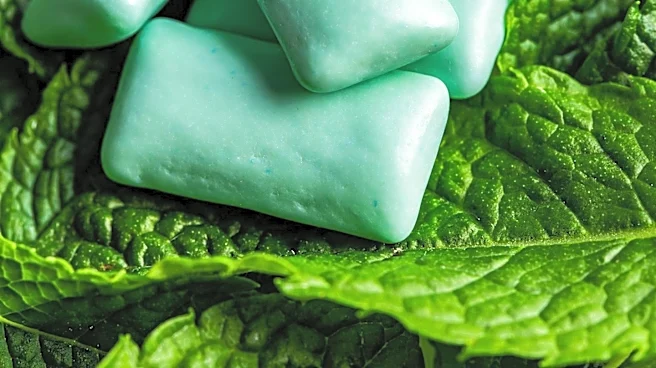
if not cleared by the immune system. Despite the introduction of the HPV vaccine in 2011, which has reduced genital cancers, oral cancer rates continue to rise, particularly among men. Researchers are exploring alternative treatments, including a new chewing gum that may help combat the virus.
Why It's Important?
HPV's widespread impact on public health is significant, as it is a leading cause of certain types of cancer. The development of new treatments, such as the chewing gum, could complement existing vaccines and provide additional protection against the virus. This could lead to a reduction in cancer rates and improve patient outcomes, particularly for oral cancers, which have not seen the same decline as genital cancers.
What's Next?
Further research and clinical trials will be necessary to determine the efficacy and safety of the chewing gum as a treatment for HPV. If successful, it could be integrated into public health strategies to reduce HPV-related cancer incidences. Public health campaigns may also focus on increasing awareness and vaccination rates to prevent HPV infections.
Beyond the Headlines
The development of new treatments for HPV highlights the importance of innovation in healthcare. It also raises questions about access to such treatments and the need for equitable healthcare solutions. Additionally, the role of lifestyle factors, such as smoking and drinking, in exacerbating HPV-related health issues may be further explored.