


What's Happening?
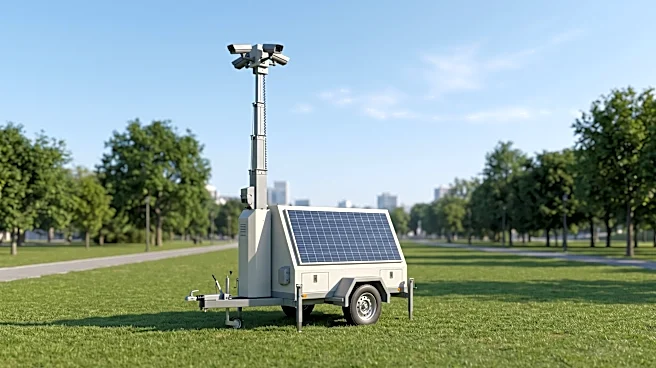
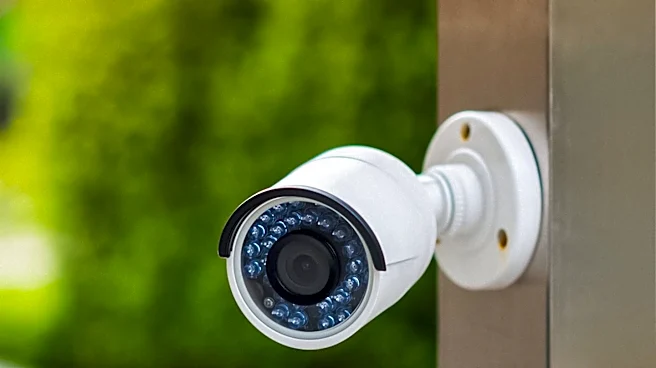
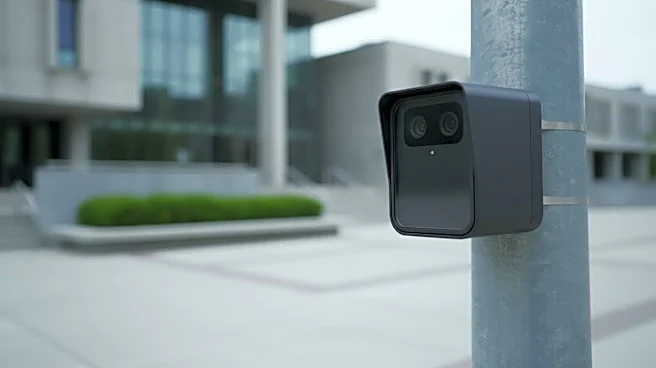
The Chicago Park District has deployed a solar-powered mobile security trailer equipped with surveillance cameras at Ronan Park in Albany Park. This action follows numerous emergency service calls and increased community safety concerns related to a homeless
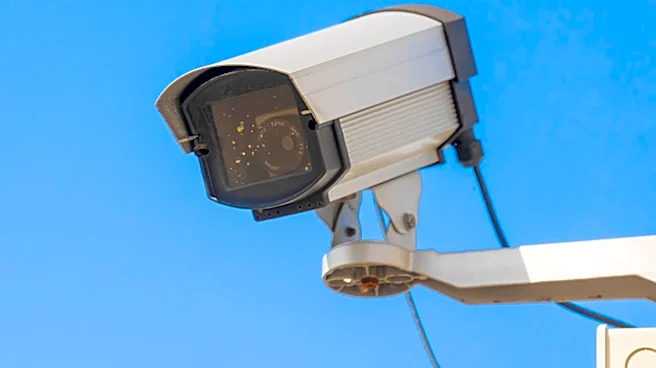
encampment in the park, particularly after a recent fire. The cameras, provided by LVT (LiveView Technologies), feature strobe lights, floodlights, and speakers for 'talk down' messages. Ald. Rossana Rodríguez Sánchez (33rd) stated that the cameras were installed at the Park District's discretion due to ongoing reports of fires and safety risks. While the alderwoman supports the encampment residents' right to be in the park, she noted that the security footage is only accessible to park district security and not to local police or federal immigration authorities without a warrant.
Why It's Important?
The installation of surveillance cameras at a homeless encampment raises significant questions about privacy, public safety, and the rights of unhoused individuals. While the Park District cites safety concerns, particularly after fires and other incidents, residents of the encampment express mixed feelings, with some feeling stalked and others seeing potential benefits for security. This situation highlights the complex challenges faced by urban areas in managing homeless encampments, balancing the needs of residents, the unhoused population, and public safety. The use of advanced surveillance technology in public spaces also sparks debate about its effectiveness, potential for misuse, and impact on civil liberties, especially for vulnerable populations who may already feel marginalized.
What's Next?
The cameras are now actively monitoring the Ronan Park encampment. The Park District and Ald. Rodríguez Sánchez's office will likely continue to assess the impact of the surveillance on safety and community relations. The ongoing arson investigation related to the recent fire may utilize any relevant footage. Discussions about the encampment's future and the provision of services for its residents are expected to continue, with the alderwoman's office coordinating weekly aid events. The debate over the presence of encampments in parks and the appropriate response from city officials is ongoing, with differing opinions among neighbors and advocates. The effectiveness and ethical implications of this surveillance approach will likely be a subject of continued scrutiny.
Beyond the Headlines
The deployment of surveillance technology in response to homelessness reflects a broader societal struggle to address complex social issues through technological means. While intended to enhance safety, such measures can inadvertently criminalize homelessness and erode trust between authorities and vulnerable populations. The differing perspectives among encampment residents and neighbors underscore the deep divisions and varied impacts of homelessness on urban communities. This situation also brings to light the challenges of enforcing park rules, such as those prohibiting propane tanks and multiple tents, within the context of humanitarian concerns for the unhoused. Ultimately, the incident at Ronan Park serves as a microcosm of the larger national debate on how cities should manage homelessness, balancing public order with compassion and human rights.