
What's Happening?
In 2025, Earth experienced one of the hottest years on record, surpassing the critical temperature threshold set by the 2015 Paris Agreement. This marks the first time the three-year average temperature exceeded
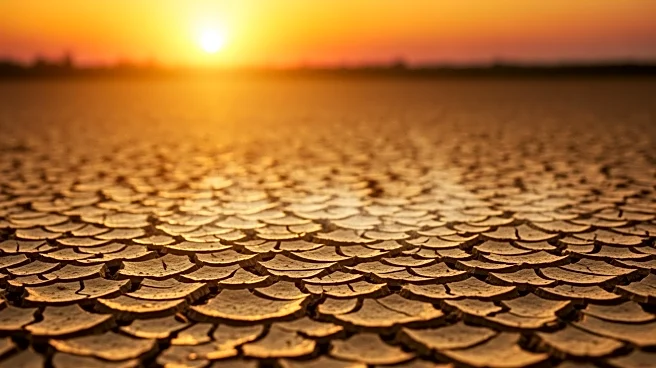
the 1.5 degrees Celsius limit since preindustrial times. The analysis by World Weather Attribution highlights the role of human-induced climate change, exacerbated by the continued burning of fossil fuels. Despite the cooling effects of La Niña, extreme weather events, including heatwaves, droughts, and typhoons, have intensified, causing significant damage and loss of life globally.
Why It's Important?
The breach of the Paris Agreement's temperature threshold signals a critical point in the fight against climate change. It underscores the urgent need for global action to reduce fossil fuel consumption and transition to renewable energy sources. The increasing frequency and severity of extreme weather events pose significant challenges to adaptation and resilience efforts, threatening lives, economies, and ecosystems. This development highlights the importance of international cooperation and policy changes to mitigate the impacts of climate change and prevent further environmental degradation.
What's Next?
The recent United Nations climate talks in Brazil ended without a clear plan to phase out fossil fuels, highlighting the geopolitical challenges in addressing climate change. As nations grapple with balancing economic growth and environmental responsibility, the need for innovative solutions and increased funding for adaptation becomes more pressing. The scientific community continues to advocate for rapid reductions in greenhouse gas emissions to prevent further warming and its associated impacts. The focus will likely shift towards enhancing early warning systems and developing new strategies for disaster response and recovery.