






What's Happening?
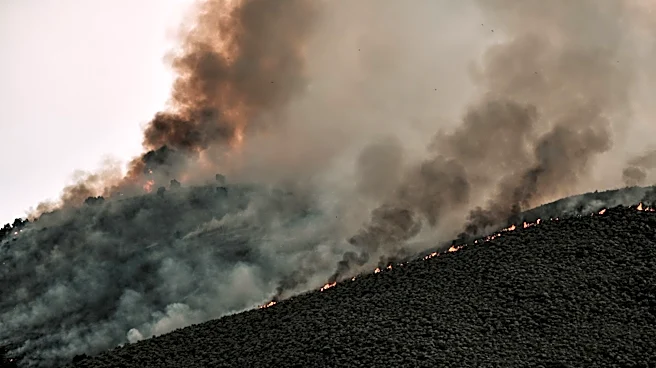
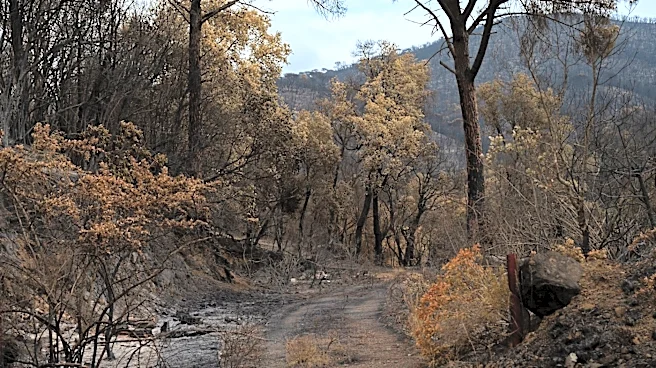
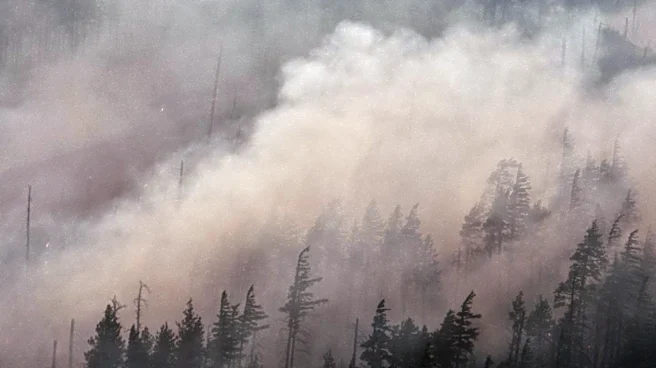
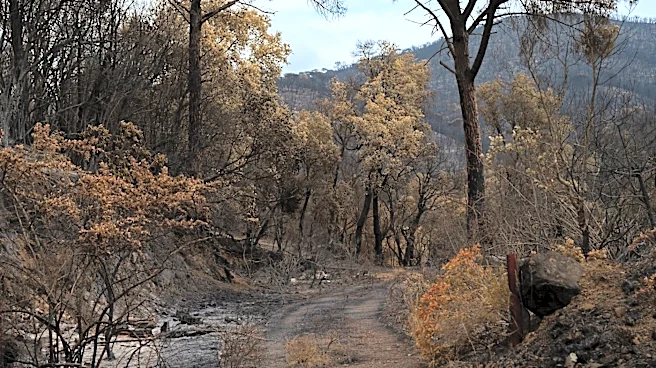
The Timber Fire in Big Sur, California, has expanded to 6,055 acres with containment reaching 29% as of Thursday evening. Firefighters are actively strengthening containment lines, particularly on the eastern side of the fire, which remains the most active area.
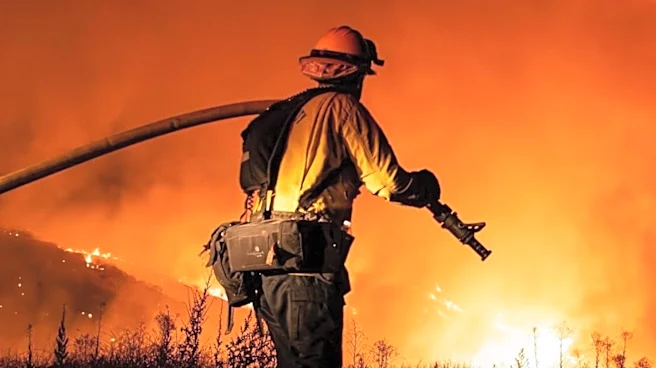
The lack of an overnight marine layer, which had previously aided suppression efforts, allowed crews to reinforce coastal containment lines, mop up, and address hot spots. On the northeastern side, the fire is slowly backing towards the Big Sur River, while in the southeastern portion near Longwood Ridge, it is burning through patchy vegetation. Helicopters are being utilized for water and retardant drops to support ground crews, who are also extending contingency lines to the north and south. Evacuation orders remain in effect for zones MRY-FO27-B and MRY-FO28-A, with nine additional zones under evacuation warnings. Highway 1 remains closed between mile marker 42.6 and mile marker 37, with the northern closure point recently moved south to shorten the affected stretch.
Why It's Important?
The Timber Fire's continued growth and the ongoing evacuation orders underscore the significant threat wildfires pose to communities and natural resources in California. The closure of Highway 1, a critical scenic and transportation artery, has substantial economic implications for the Big Sur region, impacting tourism, local businesses, and daily commutes. The deployment of over 1,600 personnel and numerous resources highlights the immense strain these fires place on emergency services and state budgets. The fire's behavior, influenced by weather conditions like the absence of a marine layer, emphasizes the unpredictable nature of wildfires and the challenges in their containment. Furthermore, the U.S. Forest Service's closure of portions of Los Padres National Forest for public safety reflects the broader impact on recreational activities and environmental conservation. The threat to 503 structures, though none reported destroyed yet, signifies the constant danger to property and livelihoods, making this a critical event for regional stability and safety.
What's Next?
Firefighters will continue to focus on strengthening containment lines, particularly on the active eastern flank of the Timber Fire. Helicopters will persist with water and retardant drops, and ground crews will extend contingency lines. Evacuation orders and warnings will remain in place, subject to change based on fire behavior and containment progress. The U.S. Forest Service closure of parts of Los Padres National Forest will stay in effect until the fire is declared out, impacting public access to these areas. The cause of the fire remains under investigation, with authorities seeking public assistance for any relevant photos, videos, or information. The ongoing Highway 1 closure will continue to affect travel and local commerce. Warm and dry conditions are forecast, which could further challenge firefighting efforts, although marine layer clouds are expected along the coast before clearing later in the morning.
Beyond the Headlines
The Timber Fire is more than an isolated incident; it is a stark reminder of the increasing vulnerability of California's landscapes to wildfires, exacerbated by climate change and prolonged drought conditions. The fire's impact on the Big Sur ecosystem, a globally recognized biodiversity hotspot, could have long-term ecological consequences, including habitat destruction and altered hydrological cycles. The repeated closures of Highway 1 due to fires and other natural disasters highlight the fragility of critical infrastructure in environmentally sensitive areas and the need for more resilient transportation planning. This event also brings to the forefront the psychological toll on residents facing repeated evacuations and the economic precarity for communities reliant on tourism. The investigation into the fire's cause underscores the importance of public vigilance and responsible land use to prevent future ignitions, pointing to a broader societal challenge in adapting to a new era of wildfire risk.