
What's Happening?
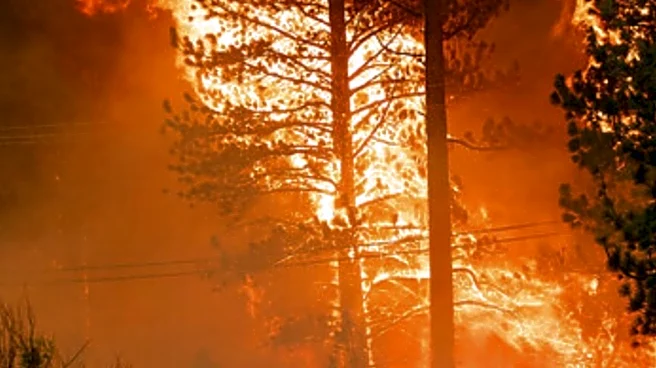
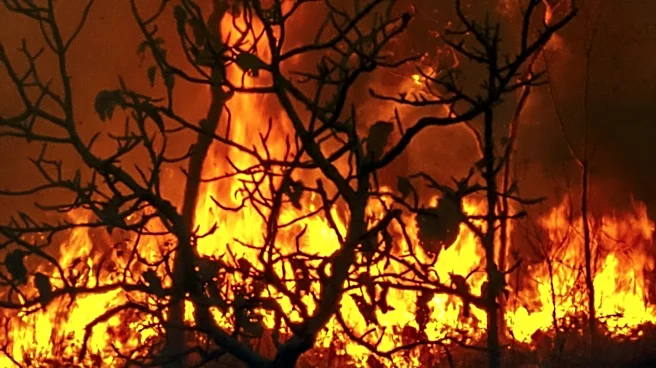
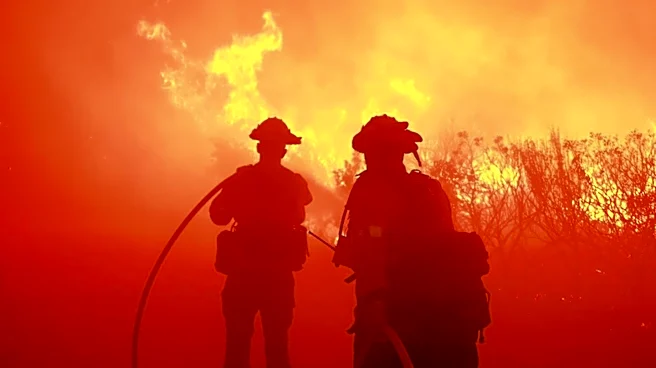
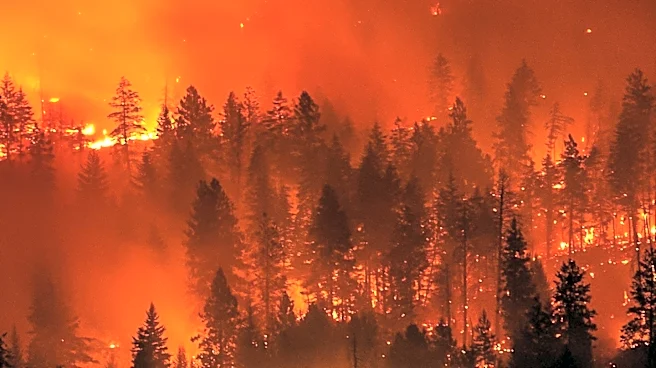
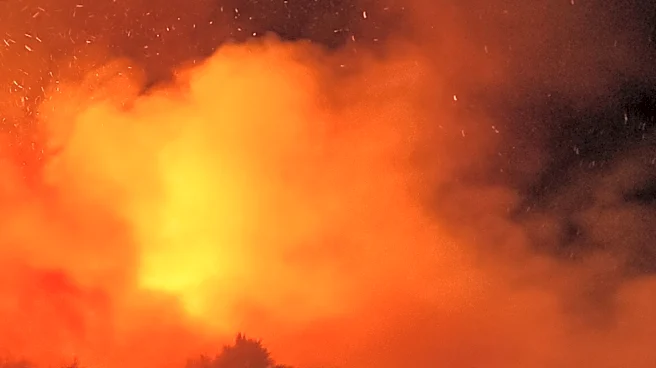
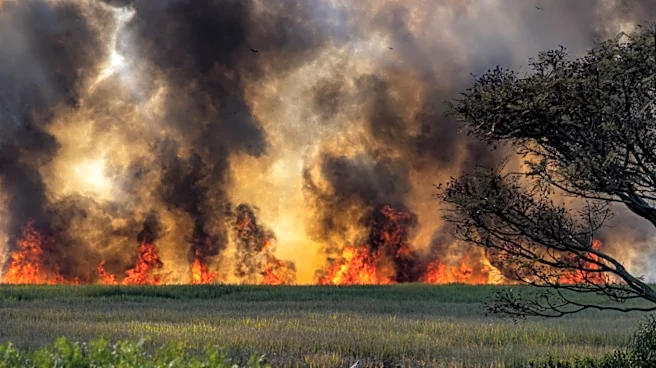
Spokane, Washington, recently faced devastating wildfires that required the evacuation of over 60,000 residents. Just months prior, the city conducted a large-scale evacuation drill, which proved invaluable in preparing both residents and emergency services
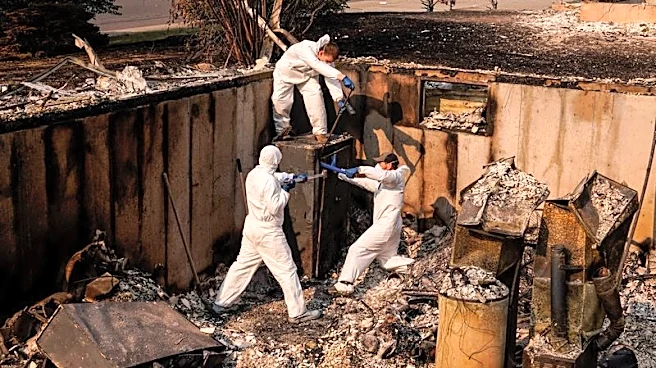
for the real event. The drill helped identify evacuation bottlenecks and improve community awareness and preparedness. The recent fires, known as the Spokane Complex Fire, destroyed hundreds of homes but early reports suggest that the evacuation efforts were successful in preventing loss of life.
Why It's Important?
The successful evacuation during the Spokane wildfires highlights the critical role of preparedness and drills in disaster management. As wildfires become more frequent and intense, especially in the wildland-urban interface, communities must prioritize evacuation planning and practice. The Spokane experience serves as a model for other regions at risk of natural disasters, emphasizing the importance of community engagement and proactive emergency management.
What's Next?
Spokane will likely continue to refine its emergency response strategies based on lessons learned from the recent fires. Other communities may look to Spokane's example to implement similar drills and preparedness measures. The increasing threat of wildfires across the western United States will necessitate ongoing efforts to improve evacuation plans and community resilience.