


What's Happening?
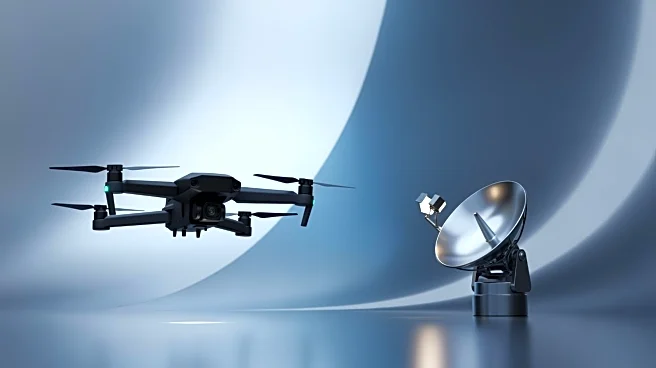
The Pentagon's Joint Interagency Task Force 401 has released new guidelines for the testing and deployment of counter-unmanned aerial systems (c-UAS) in the United States. This initiative aims to enhance the military's capabilities to neutralize drone
threats while adhering to federal privacy laws. The task force, led by the Army, is focused on standardizing testing procedures to ensure that data is consistent and reliable, thereby facilitating the development of effective counter-drone technologies. The guidelines emphasize the importance of safeguarding privacy, stating that c-UAS systems are designed to filter and discard communication content without intercepting private electronic communications. This move comes in response to recent incidents that highlighted the need for improved coordination and communication among federal agencies regarding the use of c-UAS technologies.
Why It's Important?
The release of these guidelines is significant as it addresses the dual challenge of enhancing national security while protecting civil liberties. The increasing use of drones for various purposes, including potential threats, necessitates robust countermeasures. However, these measures must comply with privacy laws to prevent the unauthorized interception of private communications. The task force's approach to 'privacy by design' aims to balance these concerns by minimizing data collection and ensuring secure handling processes. This initiative not only aims to protect critical infrastructure and public safety but also sets a precedent for how emerging technologies can be integrated into national defense strategies without infringing on individual rights.
What's Next?
The task force's guidelines are expected to influence future policy and operational decisions regarding the deployment of c-UAS technologies. As the military continues to refine its approach, there may be increased collaboration with private industry to develop and implement these technologies effectively. Additionally, the task force's recent visit to Kyiv to learn from Ukraine's defense against drones suggests that international cooperation and knowledge exchange will play a crucial role in shaping the U.S.'s counter-drone strategies. The ongoing development and testing of these systems will likely lead to further advancements in technology and policy, ensuring that the U.S. remains prepared to address evolving drone threats.