








What's Happening?
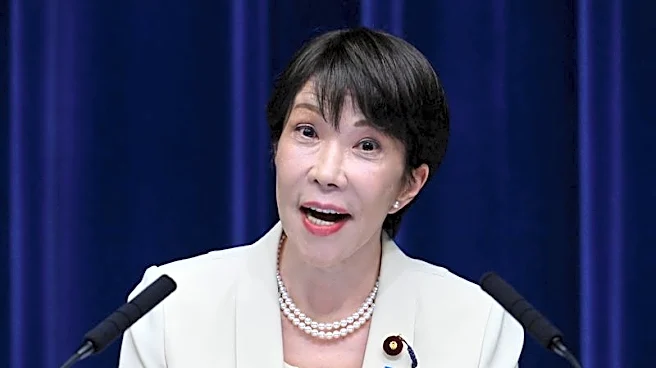
Japan is set to implement a significant reduction in its consumption tax on food, marking the first such move in the country's history. Prime Minister Sanae Takaichi is spearheading this initiative to alleviate the financial burden on households caused
by rising prices. Despite the potential benefits for consumers, there are concerns about the impact on Japan's already strained public finances. The proposed tax cut is part of a broader strategy to address inflation and improve the economic situation for Japanese citizens.
Why It's Important?
The proposed tax cut is a critical measure in Japan's efforts to combat inflation and support household finances. By reducing the consumption tax on food, the government aims to ease the cost of living for citizens, which is particularly important given the current economic challenges. However, this move also raises questions about how Japan will manage its public finances, as the country already faces significant fiscal pressures. The decision could have broader implications for Japan's economic policy and its ability to balance fiscal responsibility with the need to support its citizens.
What's Next?
As Japan moves forward with the tax cut, the government will need to address concerns about funding and the potential impact on public finances. The success of this initiative will depend on the government's ability to implement the tax cut effectively while maintaining fiscal stability. Additionally, the move could influence public opinion and political dynamics in Japan, particularly as the country approaches future elections. The government's handling of this issue will be closely watched by both domestic and international observers.