







What's Happening?
Japan is set to create a new network across the Asia-Pacific region aimed at enhancing protections against extreme weather events and natural disasters. This initiative will focus on promoting the development and effective deployment of early-warning
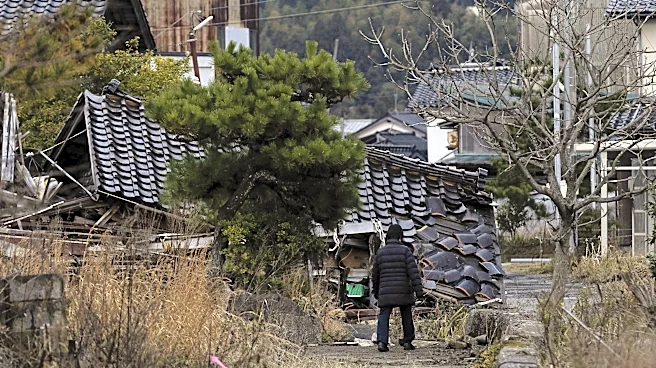
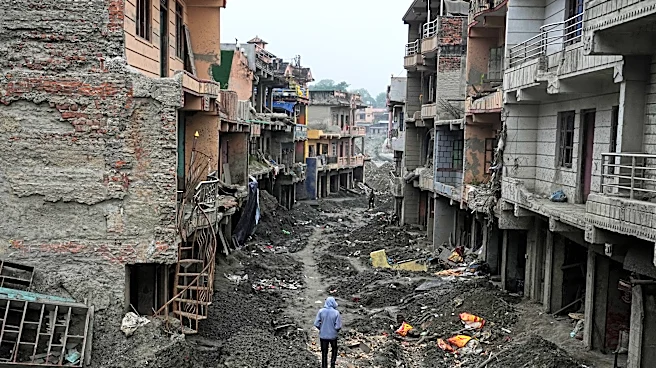
systems. Japan's Environment Minister Hiroyoshi Sasagawa announced this plan at the COP31 conference in Antalya, Turkey. The network will facilitate the sharing of knowledge and expertise in implementing and operating these warning systems. Recent events, such as the devastating August floods near the Nepal-China border that resulted in over 1,400 fatalities and significant destruction, have highlighted existing gaps in capabilities like remote sensing and cellphone alerts. Japan, situated on the seismically active 'Ring of Fire,' has a history of pioneering earthquake early-warning systems and developing resilient building structures. The country also emphasizes the need for broader international contributions to climate finance, advocating for more nations and private entities to support countries requiring assistance.
Why It's Important?
This initiative is crucial for bolstering disaster preparedness and resilience across the Asia-Pacific, a region highly vulnerable to natural calamities. By sharing advanced early-warning technologies and expertise, Japan aims to mitigate the human and economic toll of disasters, which can have far-reaching impacts on global supply chains and stability. Improved warning systems can save lives, protect infrastructure, and reduce recovery costs, indirectly benefiting U.S. businesses with operations or investments in the region. The call for broader contributions to climate finance also highlights a significant global challenge, as the U.S. and other developed economies often press for greater financial responsibility from emerging economies. This network could set a precedent for international cooperation in disaster risk reduction, potentially influencing future U.S. foreign policy and aid strategies in disaster-prone areas.
What's Next?
Following the announcement at COP31, the next steps will involve the establishment of the network's operational framework and the identification of specific countries and regions for initial collaboration. Japan will likely begin outreach to Asia-Pacific nations to formalize partnerships and commence knowledge-sharing programs. The focus will be on transferring Japanese expertise in earthquake early-warning systems and resilient construction, as well as developing new solutions for extreme weather events. Discussions around climate finance contributions are expected to continue, with Japan advocating for a more inclusive contributor base. This could lead to further diplomatic efforts to encourage countries like China and Saudi Arabia to increase their financial commitments to climate resilience and disaster preparedness in the region.
Beyond the Headlines
The establishment of this network extends beyond immediate disaster response, touching upon deeper ethical and geopolitical implications. It underscores the growing recognition that climate change and natural disasters are not isolated national issues but require collective international action. Japan's leadership in this area could enhance its soft power and influence in the Asia-Pacific, positioning it as a key player in regional stability and humanitarian efforts. The emphasis on broadening climate finance contributions also highlights a persistent tension between developed and developing nations regarding historical responsibility for climate change and the equitable distribution of financial burdens. This initiative could foster a more integrated approach to disaster management, potentially leading to standardized protocols and technologies across the region, and influencing global norms for disaster preparedness and climate adaptation.