


What's Happening?
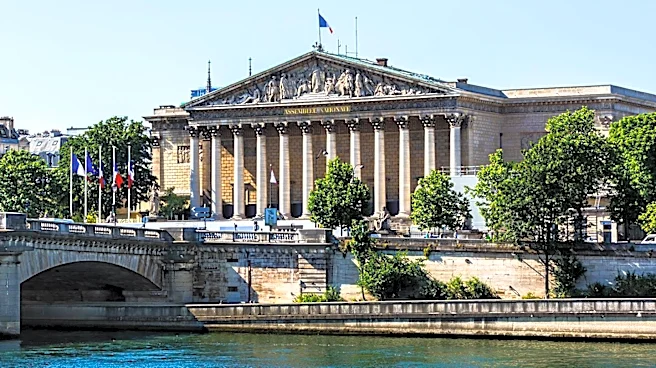
A 117-page report from the French National Assembly, titled 'On the resources dedicated to the diplomatic component of France's strategic reorientation,' highlights a significant decline in France's diplomatic resources. Prepared by a joint fact-finding
mission, the report reveals that the budget of the French Foreign Ministry decreased by €1.04 billion between 2023 and 2025, and staffing levels fell by approximately 30% from 1994 to 2024. Despite President Emmanuel Macron's 2023 promise to increase the ministry's budget and add positions, the report suggests these commitments are unlikely to be met. The document underscores the need to align diplomatic resources with new geopolitical realities, particularly in light of the 'return of major war to Europe' and the profound transformation of the global security architecture.
Why It's Important?
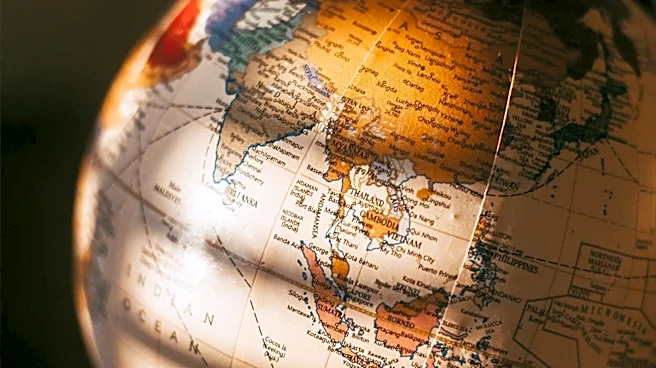
This parliamentary report signals a critical concern within France regarding its ability to project influence and respond to global challenges. The substantial disparity between military and diplomatic spending, with defense receiving nearly 18 times more resources, suggests a potential imbalance in France's strategic approach. A weakened diplomatic apparatus could hinder France's 'soft power' initiatives, its ability to counter disinformation, and its influence in international forums like the United Nations. This decline in diplomatic capacity could have significant implications for France's role in resolving international crises, fostering alliances, and promoting its interests, particularly in regions like Africa and the Indo-Pacific where it seeks to intensify engagement. The report implicitly questions the effectiveness of military solutions without corresponding diplomatic support, impacting France's overall foreign policy efficacy.
What's Next?
The findings of this report are likely to fuel further debate within the French government and National Assembly regarding the allocation of resources to its diplomatic corps. While the report itself is a fact-finding mission, its conclusions could pressure President Macron's administration to re-evaluate its foreign policy spending priorities. There may be calls for increased investment in diplomatic initiatives, cultural diplomacy, and development aid to restore France's international standing. The report's emphasis on combating disinformation also suggests a potential increase in funding for information warfare and strategic communications. However, given the current budgetary constraints and the significant increase planned for defense spending, any substantial shift in diplomatic funding would require difficult political decisions and a re-prioritization of national objectives.
Beyond the Headlines
The report's findings point to a deeper struggle within France to adapt to a rapidly changing global order. The reduction in diplomatic resources, coupled with a perceived loss of influence in regions like Africa and within international organizations, suggests a challenge to France's traditional self-perception as a major global power. The report implicitly raises questions about the efficacy of a foreign policy heavily reliant on military might without robust diplomatic backing. This situation could lead to a re-evaluation of France's national identity on the world stage and its strategic partnerships. The ethical implications of reduced development aid and cultural diplomacy also highlight a potential erosion of France's humanitarian and cultural influence, which has historically been a cornerstone of its foreign policy. The report suggests that France needs to define its place in the emerging order rather than attempting to revive past influence.