
What's Happening?
Individuals fearing persecution in their home countries due to race, religion, nationality, political opinion, or membership in a particular social group may be eligible for asylum in the United States.
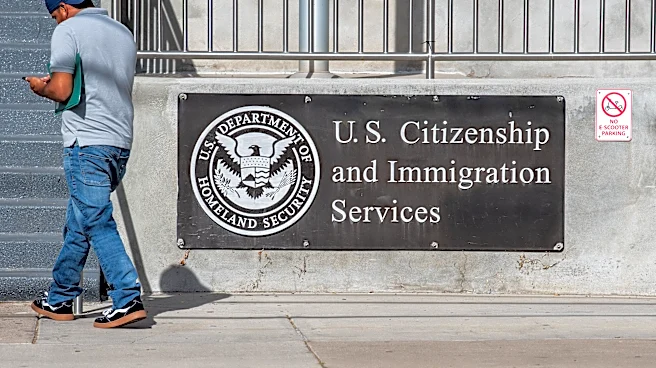
There are two primary avenues for seeking asylum: filing an affirmative asylum application with U.S. Citizenship and Immigration Services (USCIS) if not in removal proceedings, or requesting defensive asylum to prevent deportation if already in immigration court. An asylum application typically requires a detailed personal statement, country-condition reports, supporting records, and potentially expert testimony or witness statements to substantiate the fear of future harm and its connection to a protected legal ground. Successful applicants may gain the right to remain in the U.S., obtain employment authorization, petition for certain family members, and apply for permanent residence after a waiting period.
Why It's Important?
The asylum process is a critical component of U.S. immigration law, offering protection to those fleeing severe threats in their home countries. It reflects international humanitarian principles and provides a pathway to safety and stability for vulnerable individuals and families. The ability to seek employment authorization and eventually permanent residence allows asylum grantees to integrate into U.S. society and contribute to the economy. However, the complexity of the application process, including strict legal and timing requirements, necessitates thorough preparation and often legal assistance. The distinction between affirmative and defensive asylum highlights the different legal contexts in which protection can be sought, impacting individuals' rights and procedural pathways.
What's Next?
For those granted asylum, the next steps involve navigating the process to secure employment authorization and, eventually, applying for permanent residency. This typically includes a waiting period and further applications to USCIS. For individuals currently in the asylum process, particularly those in immigration court, the focus will be on presenting a credible and well-documented case. The ongoing evolution of immigration policies and court procedures means that asylum seekers and their legal representatives must remain vigilant about changes that could affect eligibility or processing times. The demand for legal guidance in preparing detailed statements and gathering evidence is expected to remain high, underscoring the critical role of immigration attorneys.
Beyond the Headlines
The asylum system is frequently at the center of broader debates about immigration policy, national security, and human rights. The criteria for asylum—race, religion, nationality, political opinion, or membership in a particular social group—reflect fundamental international protections. However, the practical implementation of these criteria can be challenging, often involving complex assessments of credibility and country conditions. The process also highlights the significant emotional and psychological burden on asylum seekers, who must recount traumatic experiences. The legal framework for asylum, while designed to offer protection, also faces scrutiny regarding its efficiency, fairness, and capacity to handle the volume of applications, particularly in times of global displacement.