


What's Happening?
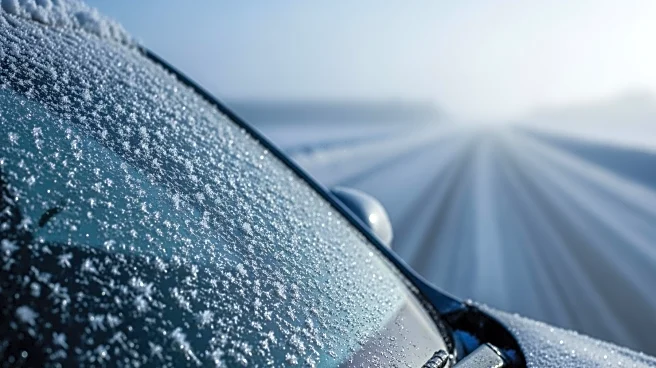
AAA has issued a warning to drivers across the United States about the dangers of not removing snow and ice from their vehicles. This warning comes as incidents of snow and ice breaking loose from moving vehicles and causing damage or injuries have been
reported in several states, including New Jersey, Maryland, Virginia, Pennsylvania, Kentucky, and North Carolina. These incidents have resulted in serious injuries, such as head injuries and facial fractures, and have even narrowly missed children in back seats. In one notable case, a sheriff's deputy in Maryland was injured when ice smashed through the windshield of a patrol vehicle. States like Pennsylvania and New Jersey have laws requiring drivers to clear their entire vehicle, with fines ranging from $50 to $1,500 in Pennsylvania and $200 to $1,000 in New Jersey. Even in states without explicit laws, drivers can face citations if snow obstructs visibility or creates a road hazard.
Why It's Important?
The warning from AAA highlights the significant safety risks posed by snow and ice left on vehicles. These hazards can turn into deadly projectiles at highway speeds, endangering other drivers and passengers. The financial implications are also considerable, with potential fines and the cost of vehicle damage. This issue underscores the importance of driver responsibility in maintaining road safety during winter months. The broader impact includes increased awareness and potential legislative action in states without existing snow-removal laws. The emphasis on safety could lead to more stringent enforcement and public education campaigns to prevent such incidents.
What's Next?
As winter storms continue to affect large parts of the country, transportation officials and safety groups are likely to increase efforts to educate the public on the importance of proper snow and ice removal. This may include more public service announcements and collaborations with local law enforcement to ensure compliance with existing laws. Additionally, there could be discussions at the state level to introduce or strengthen legislation regarding snow and ice removal from vehicles. The ongoing winter weather conditions will keep this issue in the public eye, potentially leading to more proactive measures to prevent accidents and injuries.