




What's Happening?
The El Niño climate phenomenon, part of the El Niño–Southern Oscillation (ENSO) system, is expected to transition from ENSO-neutral conditions to El Niño conditions between May and July 2026, with a 60-70% probability of persisting through the end of the year.
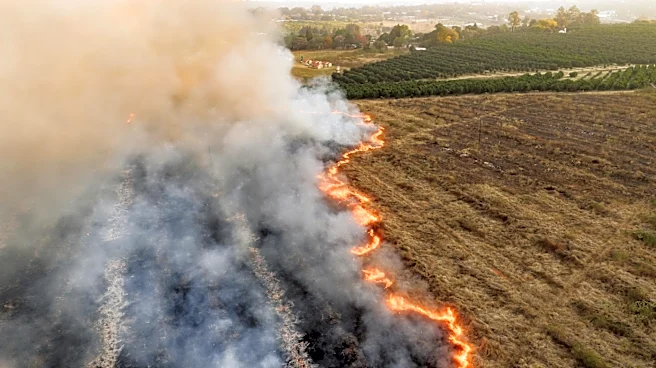
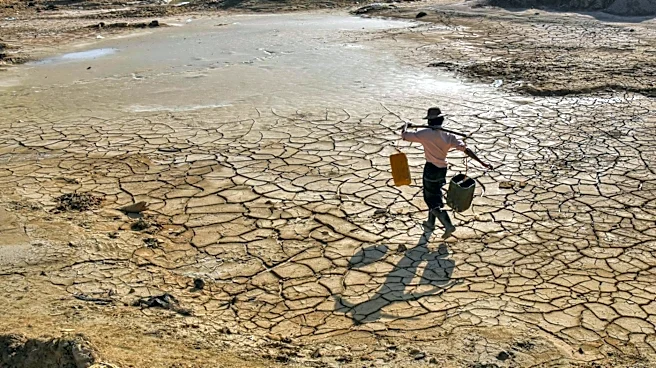
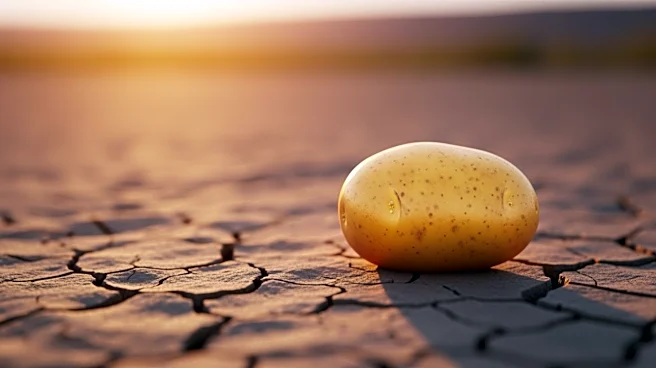
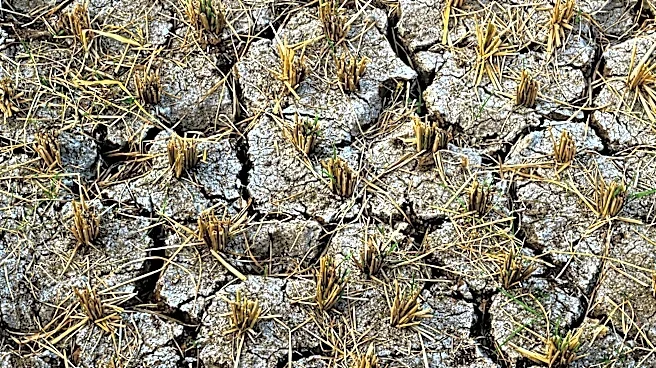
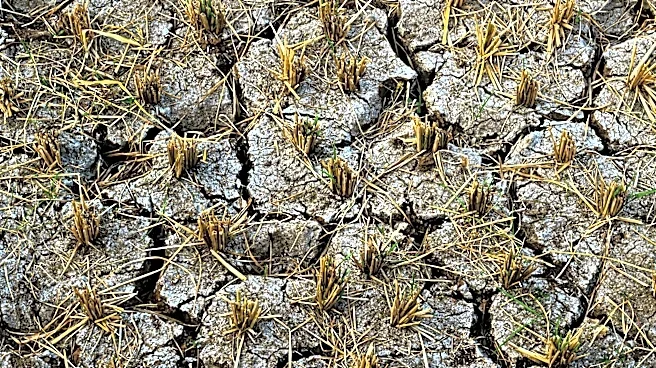
This shift is anticipated to significantly impact global agriculture, particularly affecting climate-sensitive crops like potatoes. Potatoes require stable temperature and soil moisture for optimal growth, and El Niño conditions can exacerbate heat and water stress, leading to lower yields and quality. Regions such as South and Southeast Asia may experience drought due to delayed monsoon rains, while parts of South America could face excessive rainfall, causing waterlogging and flooding. These conditions disrupt potato production, leading to global supply imbalances and affecting the entire supply chain.
Why It's Important?
The potential impact of El Niño on potato production is significant due to the crop's sensitivity to climate extremes. Potatoes are a staple food in many countries, and disruptions in their supply can lead to food inflation and economic instability. The variability in production can cause price volatility in both fresh and processed potato markets, affecting consumers and industries reliant on consistent supply. Additionally, the perishability and bulk of potatoes limit the ability to redistribute surpluses globally, exacerbating regional shortages. The processing industry faces challenges in maintaining quality standards, as climate-induced stress can alter tuber composition, increasing production costs and reducing efficiency. This situation underscores the need for resilience in agricultural systems to adapt to climate variability.
What's Next?
As the likelihood of El Niño conditions increases, stakeholders in the potato industry must prepare for potential disruptions. This includes investing in climate-resilient agricultural practices, such as developing heat- and drought-tolerant potato varieties, improving irrigation systems, and enhancing disease management. The adoption of precision agriculture techniques and expanded cold-chain infrastructure can help mitigate the impacts of climate extremes. Additionally, climate-informed forecasting tools will be crucial for making informed planting and procurement decisions. The sector must shift from reactive measures to proactive strategies to build resilience against future climate variability.
Beyond the Headlines
The recurring nature of El Niño highlights a structural risk in global agriculture, particularly for crops like potatoes that are sensitive to climate extremes. As climate change continues to interact with natural climate variability, the frequency and intensity of extreme weather events are likely to increase. This elevates the importance of integrating climate resilience into agricultural systems. The potato sector serves as an indicator of broader agricultural risk, emphasizing the need for systemic changes to enhance resilience across farms, processing, storage, and trade. The coming years will test the sector's ability to transition from crisis management to sustainable, climate-resilient practices.