






What's Happening?
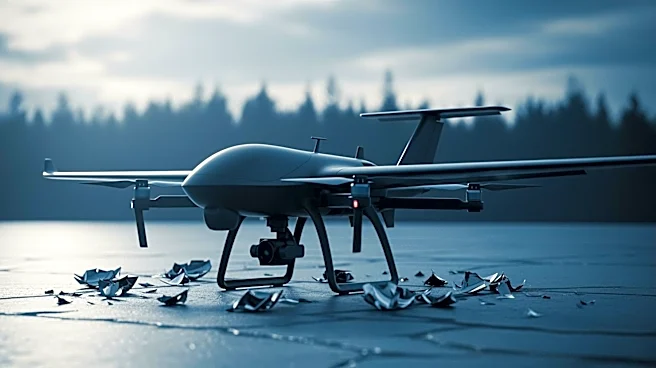
Ukraine has advised NATO and Western allies to ensure their drone units and command centers are mobile and ideally underground, due to their high value as targets in warfare. Taras Berezovets, a Ukrainian defense official, emphasized the importance of relocating
drone units to avoid detection by Russian forces. He suggested that command centers should be built deeper underground to enhance security, despite the higher costs. This advice comes from Ukraine's experience in the ongoing conflict, where drone operations play a crucial role in military strategy. The recommendation highlights the need for Western militaries to adapt to more mobile and discreet operations to protect high-impact assets.
Why It's Important?
The advice from Ukraine underscores the evolving nature of modern warfare, where drones and their command centers are pivotal. As Western countries invest in drone technology, understanding the strategic importance of mobility and concealment is crucial for maintaining operational security. This guidance could influence military strategies and infrastructure development, prompting NATO countries to reassess their defense tactics and invest in more secure and adaptable command structures. The emphasis on underground facilities reflects a shift towards prioritizing security in military operations, potentially impacting defense budgets and planning.
What's Next?
NATO and its member countries may consider implementing Ukraine's recommendations by developing mobile and underground command centers. This could involve restructuring existing facilities and investing in new technologies to enhance security and operational efficiency. The advice may also lead to increased collaboration among NATO members to share best practices and develop joint strategies for drone warfare. As the conflict in Ukraine continues, further insights and lessons may emerge, influencing future military tactics and defense policies.