

What's Happening?
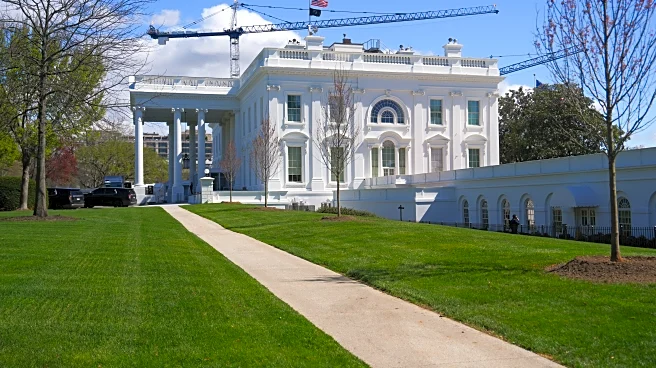
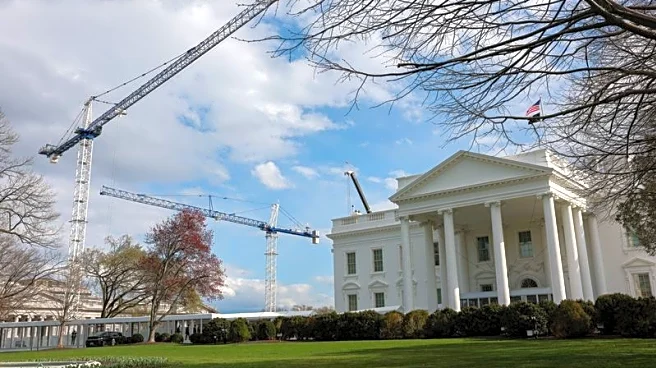
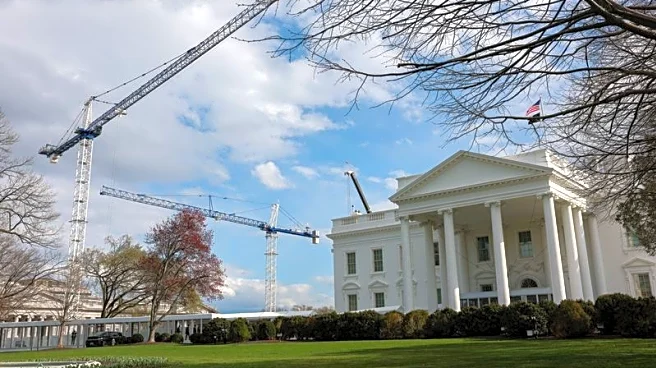
A federal judge has ordered a halt to the construction of a $400 million ballroom at the White House, a project initiated by President Trump. The decision was made by U.S. District Judge Richard Leon, who granted a preliminary injunction requested by the National
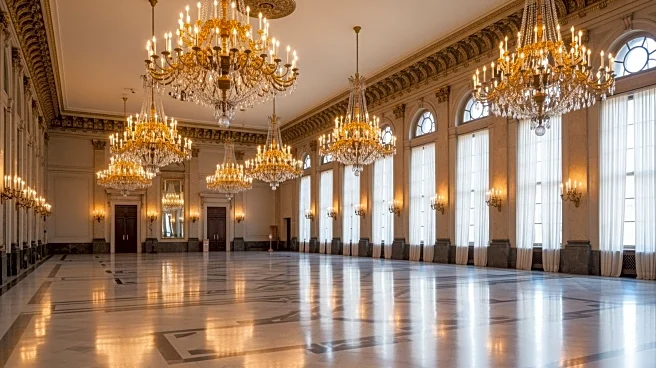
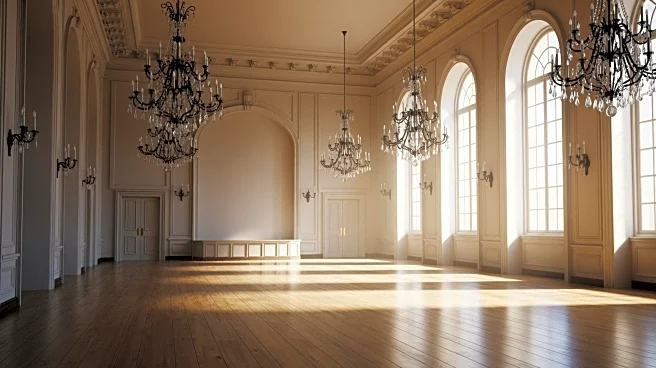
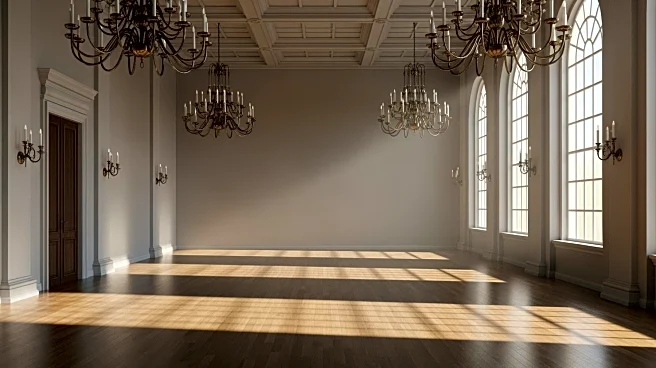
Trust for Historic Preservation. The preservationist group argues that President Trump overstepped his authority by demolishing the East Wing without necessary approvals. Judge Leon, appointed by President George W. Bush, stated that the National Trust is likely to succeed in its case, as no statute grants the President the authority claimed. The ballroom project, described as privately funded, was set to replace the East Wing with a 90,000-square-foot facility. President Trump has criticized the National Trust, labeling it a 'Radical Left Group' and defending the project as being at no cost to taxpayers.
Why It's Important?
The halt of the White House ballroom project underscores the ongoing tensions between preservationist groups and the current administration over the management of national historic sites. This legal challenge highlights the broader debate about presidential authority and the preservation of national heritage. The outcome of this case could set a precedent for how future administrations handle modifications to historic government properties. Additionally, the project has drawn attention to the influence of political appointments on federal commissions responsible for architectural oversight. The decision to pause the project may impact President Trump's legacy and his efforts to leave a lasting mark on the White House.
What's Next?
The legal proceedings will continue as the National Trust for Historic Preservation seeks to ensure that the project undergoes independent reviews and receives congressional approval. The case could prompt further scrutiny of the administration's approach to historic preservation and its compliance with federal laws. Stakeholders, including political leaders and preservationist groups, will likely monitor the case closely, as its outcome could influence future policies regarding the management of national historic sites. The administration may also face increased pressure to justify its decisions and address concerns raised by preservationists and the public.