




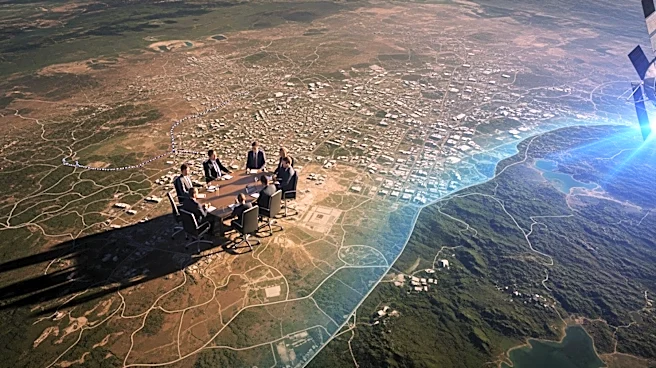

What's Happening?
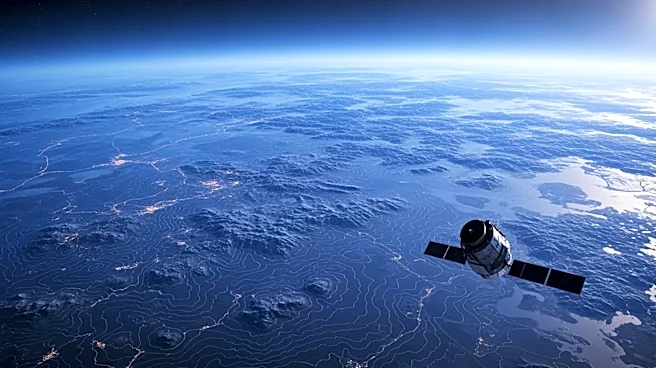
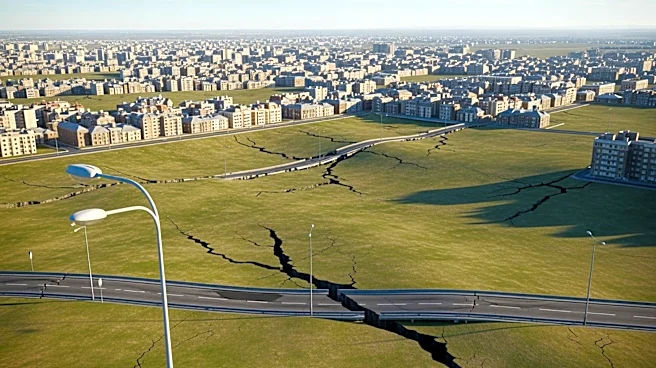
NASA has released satellite data indicating that Mexico City is sinking at a rate of nearly 10 inches per year. This subsidence is attributed to extensive groundwater pumping and urban development on an ancient lake bed. The sinking has caused significant
infrastructure challenges, including damage to critical systems like the subway and water supply. The data was collected by the NISAR satellite, a joint project between NASA and the Indian Space Research Organization, which tracks real-time changes on Earth's surface.
Why It's Important?
The rapid subsidence of Mexico City poses serious challenges for urban planning and infrastructure maintenance. As one of the world's fastest-sinking cities, it faces increased risks of infrastructure failure, which could exacerbate existing water shortages and lead to costly repairs. The data from NASA's satellite provides crucial insights for policymakers and urban planners to develop strategies to mitigate these effects. Understanding the subsidence patterns can help in designing more sustainable urban environments and in planning for future infrastructure investments.