








What's Happening?
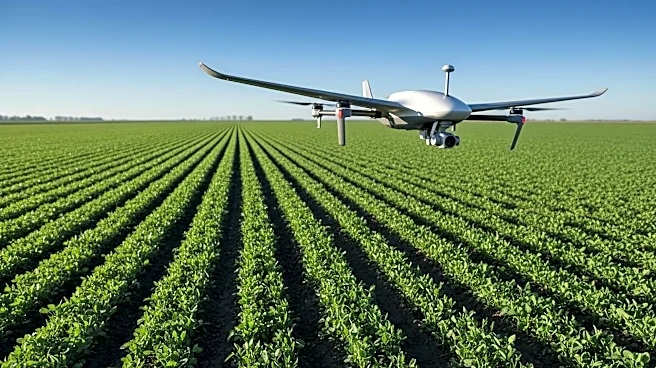
John Fulton has been appointed as a Dean’s Chair in The Ohio State University College of Food, Agricultural, and Environmental Sciences (CFAES), effective from June 1, 2026, through May 31, 2030. This appointment acknowledges Fulton's leadership in precision
and digital agriculture and supports a strategic initiative within CFAES focused on the integration of artificial intelligence in Ohio State University Extension. The Dean’s Chair appointments are designed to bolster priority areas across the college’s teaching, research, and outreach missions. Faculty selected for these roles are recognized for their contributions to advancing scholarly work that benefits Ohio’s communities and economy. The appointments provide faculty leaders with the necessary support to pursue innovative programs that align with CFAES priorities, thereby enhancing the college’s impact both within Ohio and beyond.
Why It's Important?
The appointment of John Fulton as a Dean’s Chair is significant as it underscores the growing importance of integrating artificial intelligence into agricultural practices. This move is expected to enhance the precision and efficiency of agricultural operations, potentially leading to increased productivity and sustainability in the sector. By focusing on AI, Ohio State University is positioning itself at the forefront of agricultural innovation, which could have far-reaching implications for the state's economy and the agricultural industry at large. The initiative aligns with broader trends in agriculture that emphasize the use of technology to address challenges such as resource management and climate change. Stakeholders in the agricultural sector, including farmers and agribusinesses, stand to benefit from the advancements and insights generated through this strategic focus.
What's Next?
As John Fulton assumes his role as a Dean’s Chair, it is anticipated that he will spearhead initiatives that integrate AI into agricultural practices at Ohio State University. This could involve developing new research projects, forming partnerships with industry leaders, and enhancing educational programs to prepare students for careers in digital agriculture. The outcomes of these efforts may influence policy decisions and funding allocations within the agricultural sector, as well as inspire similar initiatives at other educational institutions. Stakeholders will likely monitor the progress and results of these initiatives to assess their impact on agricultural productivity and sustainability.