



What's Happening?
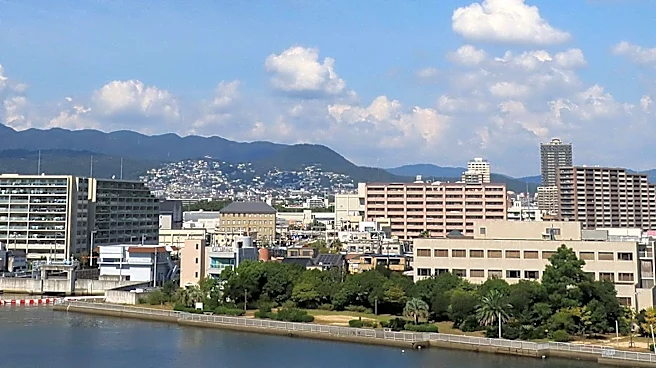
Nagasaki commemorated the 81st anniversary of the U.S. atomic bombing on August 9, 1945, which resulted in the deaths of approximately 70,000 people by the end of that year. The ceremony, attended by representatives from over 90 countries, included a moment
of silence at 11:02 a.m., the exact time the bomb exploded. Mayor Shiro Suzuki delivered a peace declaration, emphasizing the dangers of nuclear weapons and urging the Japanese government to adhere to its three non-nuclear principles. Prime Minister Sanae Takaichi, present at the ceremony, reiterated Japan's commitment to a world without nuclear weapons, though she remained vague on the specifics of the non-nuclear principles.
Why It's Important?
The anniversary serves as a poignant reminder of the devastating impact of nuclear weapons and the ongoing global debate over nuclear deterrence. Mayor Suzuki's speech highlighted the risks associated with nuclear armament, calling it an 'absolute evil' that cannot coexist with humanity. The event underscores the tension between Japan's historical experiences and its current security policies, particularly in light of Prime Minister Takaichi's support for nuclear deterrence. The ceremony also reflects broader geopolitical concerns, as nuclear-armed states continue to modernize their arsenals amid rising global tensions.
What's Next?
Japan faces a critical decision on how to balance its historical commitment to nuclear disarmament with contemporary security challenges. The government is expected to participate in the upcoming Treaty on the Prohibition of Nuclear Weapons review conference, where it will need to navigate its position as a nation under the U.S. nuclear umbrella. The outcome of these discussions could influence Japan's defense policies and its role in international nuclear disarmament efforts.
Beyond the Headlines
The commemoration also highlights the aging population of atomic bomb survivors, known as hibakusha, whose average age now exceeds 86. As their numbers dwindle, there is an urgent need to preserve their testimonies and ensure that future generations understand the horrors of nuclear warfare. This cultural and historical preservation is crucial for maintaining the momentum towards global nuclear disarmament.