



What's Happening?
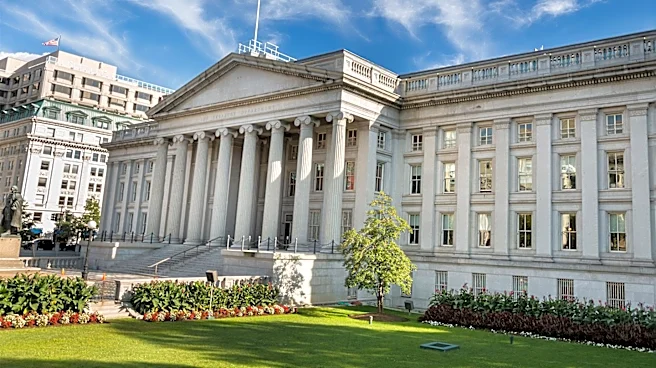
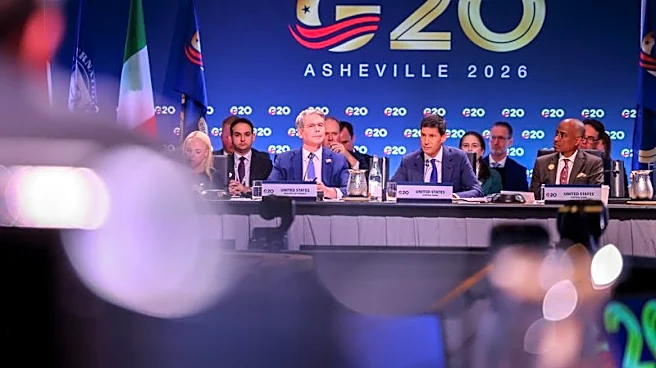
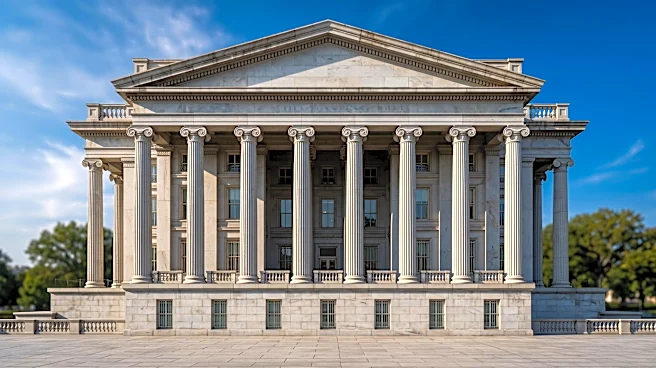
The U.S. Treasury Department has denied credentials to several journalists from major news organizations, including The New York Times and Bloomberg News, preventing them from covering a G20 finance ministers' meeting in Asheville, North Carolina. This
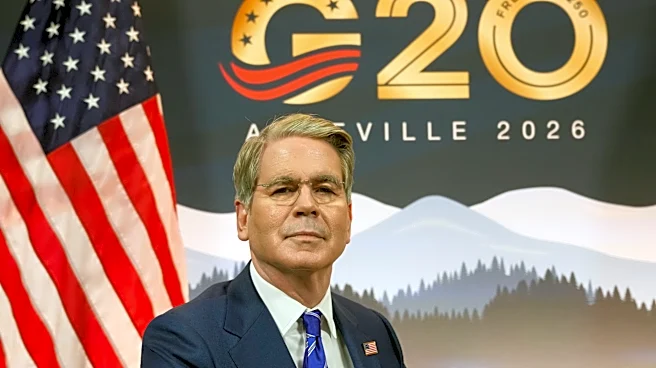
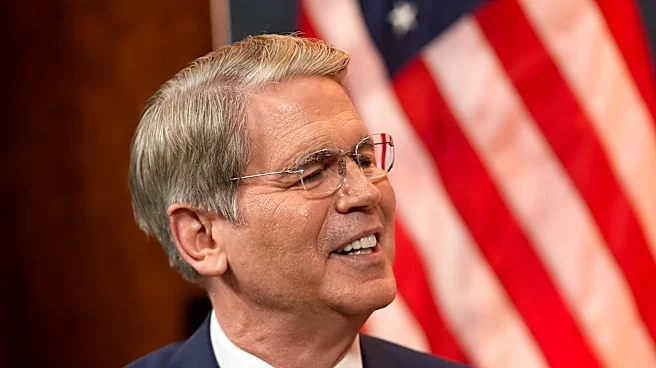
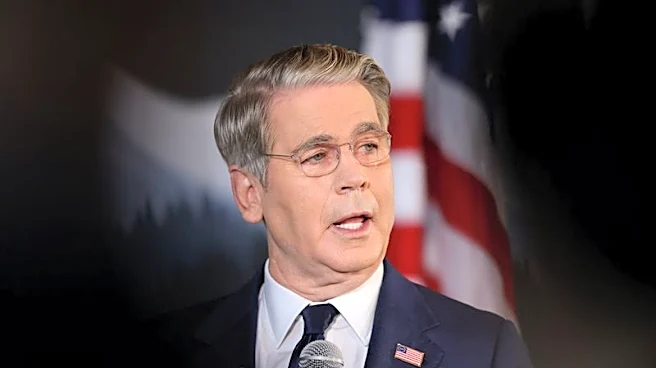
action is seen as the latest instance of the second Trump administration restricting media access. Treasury Secretary Scott Bessent stated that the decision was not based on the journalists' viewpoints. The denied reporters include Alan Rappeport of The New York Times, who has covered such meetings since 2017, though another Times reporter was granted access. Bloomberg News reported that numerous journalists from their agency, including those based in Europe and Asia, also had their accreditation requests rejected. The Wall Street Journal declined to comment on the matter. The G20 meeting, hosted by Secretary Bessent, involves finance ministers, central bank governors, and senior officials from the world's leading economies.
Why It's Important?
This restriction on journalist access to a high-profile international financial meeting raises significant concerns about press freedom and government transparency in the U.S. The New York Times characterized the move as a "blatant attempt to evade public scrutiny" and an "assault on press freedoms." Given the critical topics on the G20 agenda, such as the war in Iran, sanctions, bond markets, and inflation, public access to independent reporting on these discussions is crucial for understanding their potential impact on the global and American economies. Denying access to specific reporters and news organizations can limit the diversity of perspectives and in-depth analysis available to the public, potentially hindering informed public discourse on vital economic and geopolitical issues. This incident contributes to escalating tensions between the U.S. media and the administration, which has previously seen the Pentagon declare its press office a classified space and the Associated Press sue over White House press pool access.
What's Next?
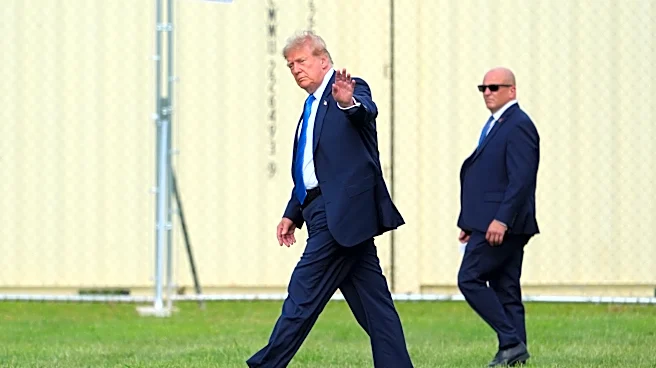
The G20 finance ministers' meeting is scheduled to run from Saturday through Tuesday. The broader G20 summit, involving heads of state, is slated for December at President Trump's golf club in Doral, Florida. It remains to be seen whether the Treasury Department will offer further clarification on its decision or if the affected news organizations will pursue additional actions to challenge the restrictions. The ongoing tensions between the administration and the media suggest that similar access issues may arise in future high-level events. Stakeholders, including press freedom advocates and other media organizations, are likely to continue monitoring and commenting on these developments, potentially increasing pressure on the administration to uphold principles of media access and transparency.
Beyond the Headlines
The Treasury Department's decision to restrict journalist access to the G20 meeting highlights a deeper trend of strained relations between the U.S. government and the press. This move could set a precedent for future administrations to control information flow, potentially eroding the public's right to know and the media's role as a watchdog. The justification provided by Secretary Bessent, that the decision was not based on viewpoint, may be difficult to verify without greater transparency regarding the selection criteria for press credentials. This situation also underscores the evolving challenges faced by independent journalism in an era where government bodies are increasingly asserting control over access to information, raising questions about the long-term health of democratic institutions and the free exchange of ideas. The incident could also prompt a re-evaluation of international norms regarding press access to multilateral events hosted on U.S. soil.