




What's Happening?
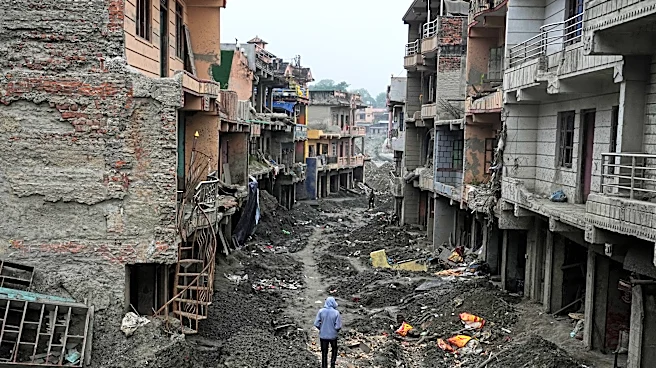
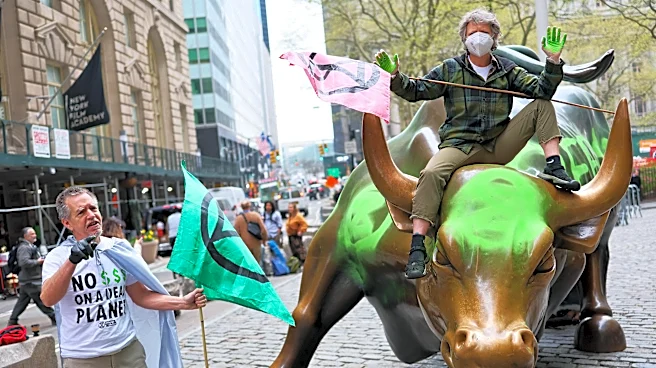
Nepali citizens, global climate justice movements, youth activists, and Indigenous representatives staged a solidarity protest at the UN Climate Change Conference (COP31) in Antalya, Türkiye. The demonstration aimed to draw international attention to the devastating
Bhotekoshi floods in Nepal and demand climate justice for affected communities. Protesters displayed effigies made of fabric and wood, symbolizing individuals who lost their lives in the August 26 disaster and whose bodies were never recovered. This symbolic act highlighted the suffering of families unable to perform final funeral rites. Speakers at the event emphasized that the Bhotekoshi tragedy, triggered by a glacial collapse, is part of a broader pattern of climate-related disasters disproportionately affecting vulnerable communities in the Global South. They accused wealthy industrialized nations and major corporate polluters of failing to take adequate responsibility for the climate crisis, arguing that communities least responsible for global emissions are bearing the heaviest consequences. The protest called for concrete decisions on climate finance commitments and expanded funding for adaptation, loss and damage, and a just transition.
Why It's Important?
This protest is significant as it brings the human cost of climate change to the forefront of international climate negotiations, particularly highlighting the plight of nations like Nepal, which contribute minimally to global emissions but suffer severe consequences. The demand for adequate replenishment of the Fund for Responding to Loss and Damage (FRLD), with a call for wealthy countries to provide at least $400 billion annually, underscores the urgent financial needs of vulnerable countries. The criticism of debt-based climate financing and the call for grant-based financial support are crucial for developing nations that cannot afford to borrow money to rebuild after climate disasters. The demonstration also puts pressure on COP31 to deliver tangible outcomes beyond diplomatic statements, urging world leaders to confront the real-world impacts of climate change on human lives and livelihoods. For the U.S. and other developed nations, this protest serves as a reminder of their responsibility to contribute to climate finance and support vulnerable countries in their recovery and adaptation efforts.
What's Next?
The immediate next steps involve continued negotiations at COP31 regarding climate finance commitments, particularly the replenishment of the Fund for Responding to Loss and Damage. Protesters and climate justice advocates will likely maintain pressure on wealthy nations to increase their contributions and shift towards grant-based financial support. Following COP31, there will be ongoing efforts to monitor the implementation of any agreements made and to advocate for stronger international cooperation on climate adaptation and disaster recovery. Nepal, along with other vulnerable nations, will continue to seek climate compensation from major greenhouse gas emitters, including the U.S., China, and India. The focus will also remain on developing and implementing multi-hazard early-warning systems and sustained mountain observation and science to mitigate future climate-induced disasters in high-mountain zones.
Beyond the Headlines
Beyond the immediate demands for financial aid, this protest highlights deeper ethical and moral dimensions of climate change. It underscores the concept of climate justice, arguing that those who have contributed least to the problem should not bear the greatest burden. The symbolic display of effigies brings a powerful human element to the often abstract discussions of climate policy and finance, forcing a confrontation with the profound loss and grief experienced by affected communities. This event could also catalyze long-term shifts in international climate policy, pushing for a more equitable distribution of responsibility and resources. It challenges the current global economic structures that often place developing nations in a cycle of debt when responding to climate disasters. The protest also reinforces the growing global solidarity among climate justice movements, youth activists, and Indigenous communities, signaling a more unified and vocal demand for systemic change in how the world addresses the climate crisis.