
What's Happening?
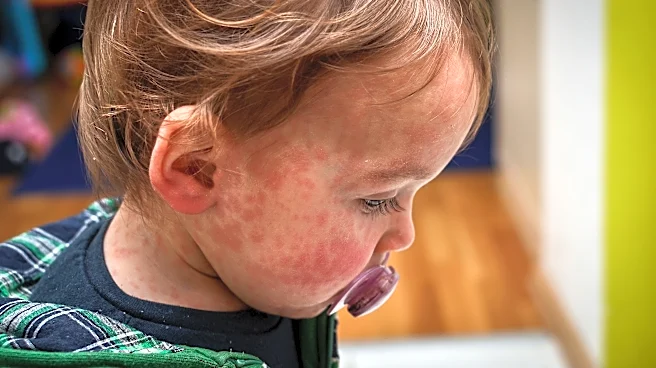
Between epidemiological weeks 1 and 43 of 2026, the Region of the Americas recorded 57,666 confirmed cases of measles across 17 countries and territories. This represents a 4.7-fold increase compared to the total
cases reported in 2025. Guatemala, Mexico, the United States, Peru, and Canada collectively account for 99.5% of these cases. During this period, 81 deaths were attributed to measles. In weeks 41 and 42 of 2026, there were 547 new confirmed cases reported in six countries, indicating a 38% decrease compared to the preceding period. The United States alone reported 332 of these new cases, highlighting its significant contribution to the regional total. The overall surge in measles cases across the Americas points to a concerning trend in public health.
Why It's Important?
The substantial increase in measles cases in the Region of the Americas, with the United States reporting a significant portion of new cases, poses a critical public health challenge. Measles, a highly contagious viral disease, can lead to severe complications, including pneumonia, encephalitis, and even death, particularly in vulnerable populations. The resurgence of measles in countries where it was once largely controlled or eliminated underscores potential gaps in vaccination coverage. This situation could strain healthcare systems, necessitate increased public health interventions, and potentially impact international travel and trade if outbreaks become widespread. The high concentration of cases in a few countries, including the U.S., suggests localized vulnerabilities that could have broader implications for regional health security and economic stability due to potential disruptions and healthcare costs.
What's Next?
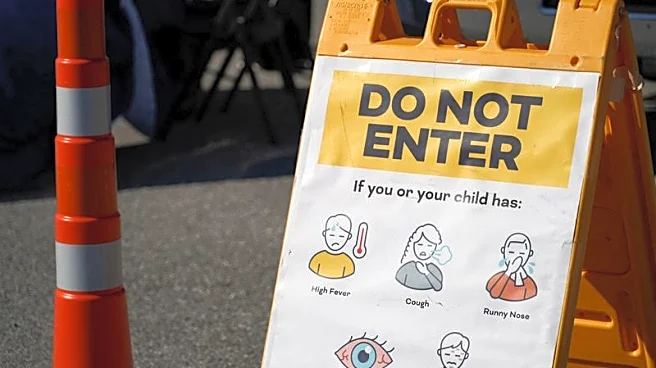
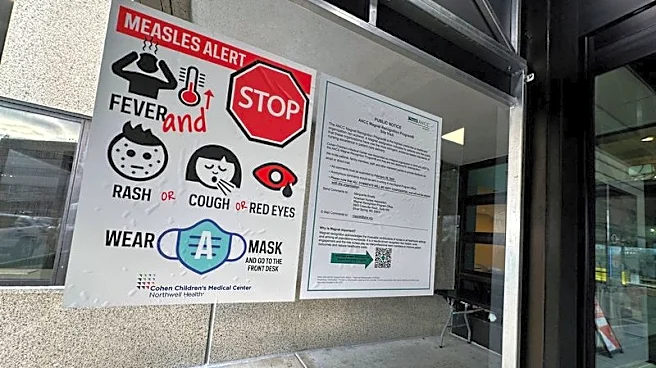
Public health authorities in the affected countries, including the United States, are expected to intensify efforts to control the spread of measles. This will likely involve enhanced surveillance, contact tracing, and targeted vaccination campaigns to boost immunity levels, especially in areas with lower coverage. International health organizations may also provide support and guidance to coordinate regional responses. The focus will be on identifying the underlying reasons for the decline in vaccination rates, such as vaccine hesitancy or access issues, and implementing strategies to address them. Continued monitoring of case numbers and geographical spread will be crucial to assess the effectiveness of these interventions and prevent further escalation of the epidemic.
Beyond the Headlines
The measles resurgence in the Americas highlights a broader concern regarding vaccine-preventable diseases and the erosion of herd immunity. This situation could be indicative of a growing trend of vaccine hesitancy or misinformation, which poses a significant threat to global public health. Beyond the immediate health crisis, there are ethical considerations surrounding individual liberties versus collective health responsibilities, particularly concerning mandatory vaccination policies. The economic impact extends beyond healthcare costs, potentially affecting productivity, tourism, and international relations. This development also underscores the importance of robust public health infrastructure and sustained investment in vaccination programs to prevent the re-emergence of diseases that were once considered largely eradicated.