



What's Happening?
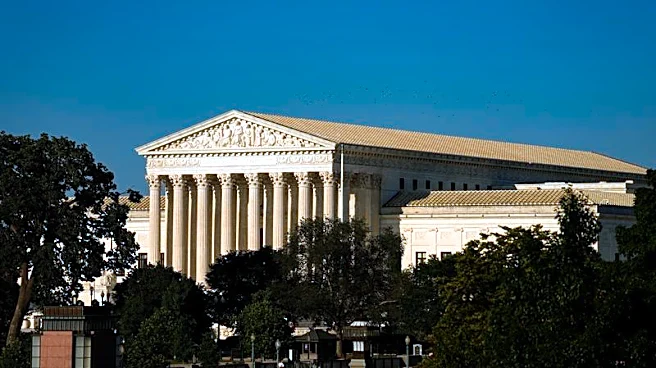
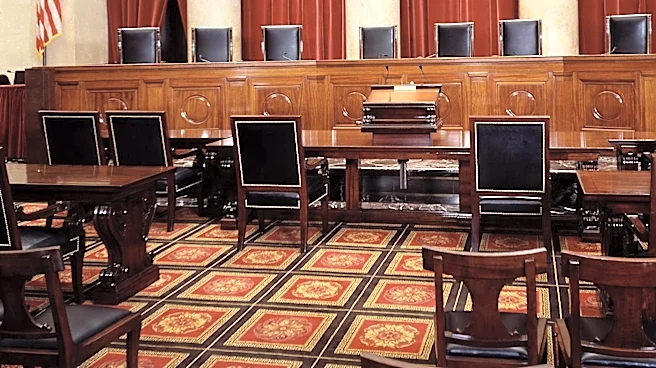
The Supreme Court's use of the emergency docket, often referred to as the 'shadow docket,' has come under scrutiny during recent budget hearings. Justices Elena Kagan and Amy Coney Barrett addressed questions from Congress about the increasing number
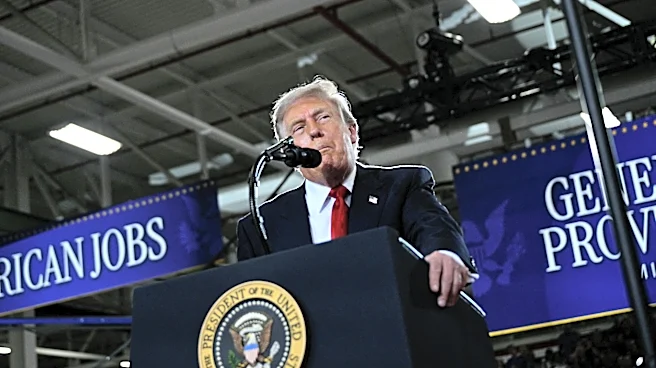
of emergency orders issued by the court. These orders, which are typically decided without full briefing or oral arguments, have significant implications for federal policies, particularly those initiated by President Trump's administration. The justices explained that the court must respond to every emergency application it receives, which has led to a growing docket influenced by external requests rather than the court's discretion.
Why It's Important?
The emergency docket's role in shaping U.S. policy highlights the court's influence on urgent legal matters, often with long-term consequences. This process allows the court to make swift decisions on critical issues, but it also raises concerns about transparency and accountability. Critics argue that the lack of detailed explanations for these decisions can undermine public trust in the judiciary. The scrutiny from Congress reflects broader concerns about the balance of power between the judicial and executive branches, especially when the court's decisions align with presidential policies.
What's Next?
The ongoing debate about the emergency docket may lead to calls for reforms to increase transparency and accountability in the court's decision-making process. Lawmakers and legal experts might propose changes to how emergency applications are handled, potentially requiring more detailed explanations or limiting the scope of such decisions. The court's approach to the emergency docket will likely continue to be a focal point in discussions about judicial reform and the separation of powers. Stakeholders, including legal scholars and civil rights organizations, may advocate for changes to ensure that the court's decisions are more transparent and consistent with democratic principles.