


What's Happening?
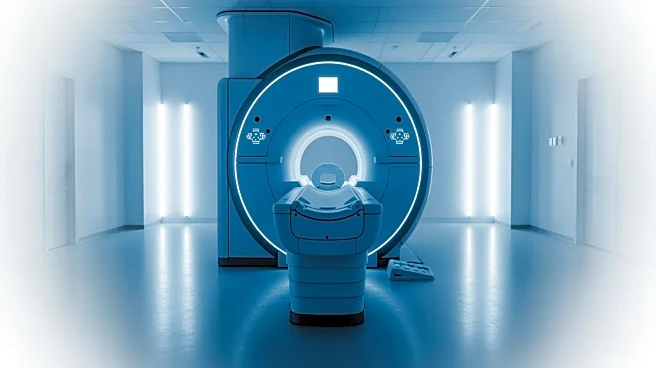
The field of pediatric imaging is undergoing significant advancements, particularly with the use of MRI technology. MRI offers a non-invasive, radiation-free method for obtaining high-resolution images, crucial for diagnosing and monitoring various conditions
in children. This technology is especially valuable for imaging the central nervous system, chest, abdomen, and musculoskeletal tissue. Recent developments emphasize the need for child-specific imaging protocols and equipment to ensure accurate and comfortable examinations. The integration of pediatric considerations early in the clinical development process is essential for advancing patient care and improving outcomes.
Why It's Important?
The evolution of pediatric imaging, particularly MRI, is critical for improving healthcare outcomes for children. By providing detailed and accurate images without the risks associated with ionizing radiation, MRI technology supports early diagnosis and personalized treatment planning. This is particularly important for conditions like CNS cancers, which are a leading cause of disease-related death in children. The focus on patient-centered approaches in pediatric imaging can enhance the accuracy of diagnoses and the effectiveness of treatments, ultimately leading to better health outcomes for young patients.