







What's Happening?
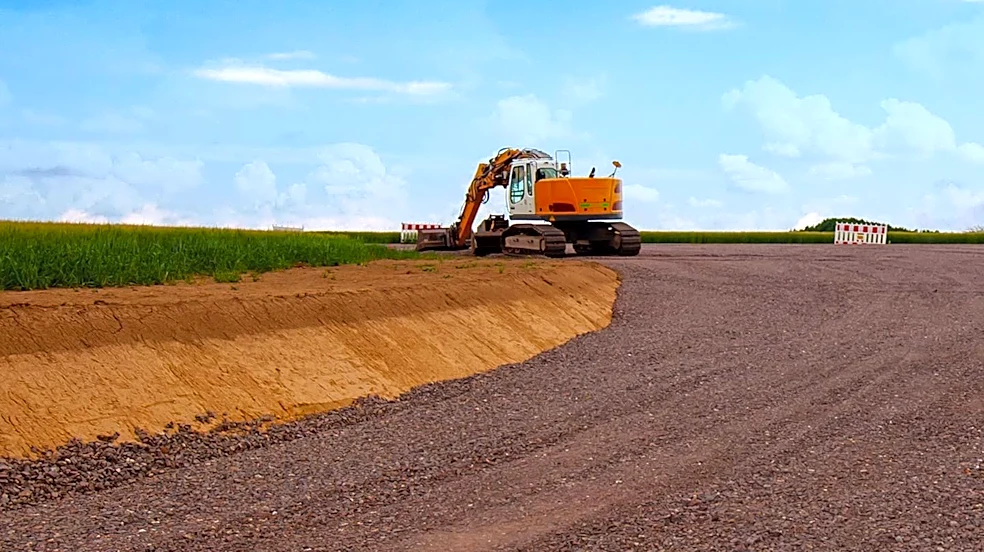
The Big Timber City Council has unanimously approved the establishment of three designated parking spots near the entrance of the Boulder Park and Campground. This decision supports the Big Timber Trails Network's first trail project, a nearly half-mile
packed gravel trail along Old Boulder Road, which is nearing completion. The trail, estimated to cost $217,000 for engineering, materials, and construction, will connect the campground to the Overland Golf Course. The Big Timber Trails Network, a local 501(c)(3) nonprofit, secured funding from various sources, including a share of a $1.25 million Montana Department of Commerce Pilot Community Tourism Grant, a Sweet Grass Community Foundation contribution, a grant from the Community Thrift Shoppe, and private donations. The project involved complex engineering due to the inclusion of four walking and biking bridges.
Why It's Important?
This project signifies a significant investment in local infrastructure and recreational opportunities within the U.S., particularly in rural areas. The development of new trails enhances community well-being by providing safe spaces for outdoor activities like walking and biking, which can improve public health. Economically, such initiatives can boost local tourism, attracting visitors who seek outdoor adventures and contributing to the revenue of local businesses. The collaboration between a nonprofit organization, local government, and various funding sources demonstrates a successful model for community-driven development. Furthermore, improving pedestrian and cyclist safety along Old Boulder Road addresses a critical public safety concern, making the area more accessible and enjoyable for residents and visitors alike.
What's Next?
With the current trail project expected to be completed in the coming weeks, the Big Timber Trails Network plans to focus on developing additional trails. Future plans include extending the new trail north into Big Timber and connecting it to Dornix Park, further enhancing the local trail network. This expansion will likely continue to rely on a combination of grants, community contributions, and private donations. The success of this initial project could serve as a blueprint for other small communities looking to develop similar recreational infrastructure. Continued efforts will also be directed towards maintaining the existing trails and ensuring their accessibility and safety for all users. The organization will likely continue to engage with the community for support and volunteers.
Beyond the Headlines
This project highlights the growing importance of local green infrastructure and its role in fostering community identity and quality of life. Beyond the immediate benefits of recreation and safety, such trails can contribute to environmental conservation by encouraging non-motorized transport and connecting people with nature. The involvement of a local nonprofit underscores the power of grassroots efforts in addressing community needs and leveraging diverse funding streams. This model of community-led development, supported by public and private partnerships, could inspire similar initiatives across the U.S., promoting sustainable growth and enhancing the livability of small towns. The long-term impact could include increased property values, a stronger sense of community, and a healthier population.