





What's Happening?
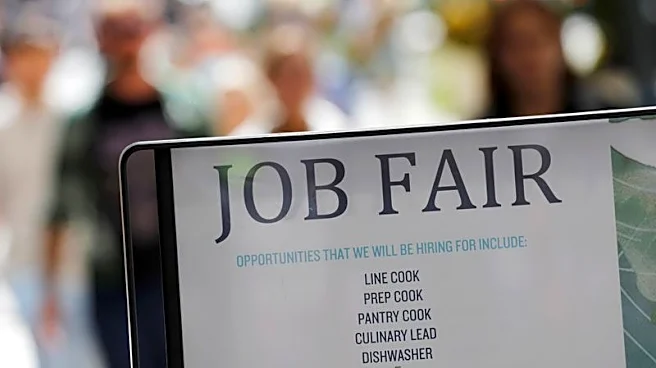
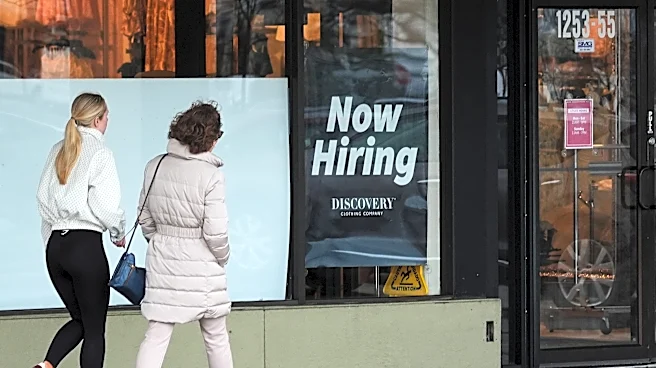
The participation of foreign students in U.S. summer jobs, facilitated by the J-1 visa program, may face challenges this year. Approximately 100,000 international students typically work in the U.S. during the summer, supporting small and seasonal businesses.
However, shifting international dynamics and scrutiny of the U.S. immigration process could affect the number of applicants. Kasey Simon, president of United Work & Travel, noted a potential 5-10% decrease in supplemental participants.
Why It's Important?
The potential decrease in foreign student workers could significantly impact small and seasonal businesses that rely on this workforce to meet peak season demands. These businesses may face operational challenges, such as reduced capacity and revenue, if they cannot fill positions. The situation underscores the broader implications of U.S. immigration policies on the labor market and the economy, particularly in sectors dependent on temporary foreign labor.
What's Next?
Businesses may need to explore alternative staffing solutions or adjust their operations to cope with potential labor shortages. The ongoing scrutiny of immigration processes could lead to further delays and uncertainties, affecting future participation in the J-1 visa program. Stakeholders may advocate for policy adjustments to ensure a stable and reliable workforce for seasonal industries.