






What's Happening?
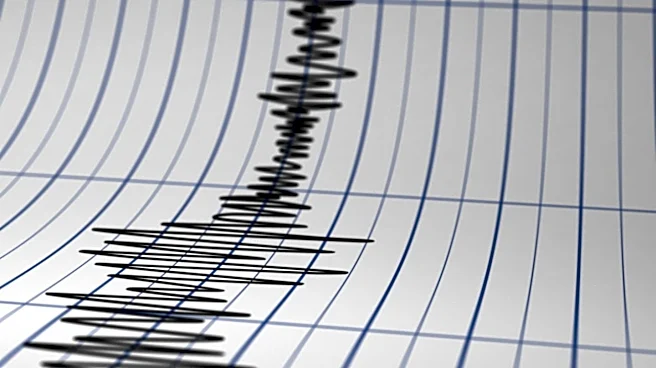
A magnitude 5.7 earthquake struck central Japan early on Sunday, November 8, 2026, with its epicenter in western Shizuoka Prefecture. The Japan Meteorological Agency (JMA) reported the quake at a depth of 41 kilometers. The strongest shaking, recorded
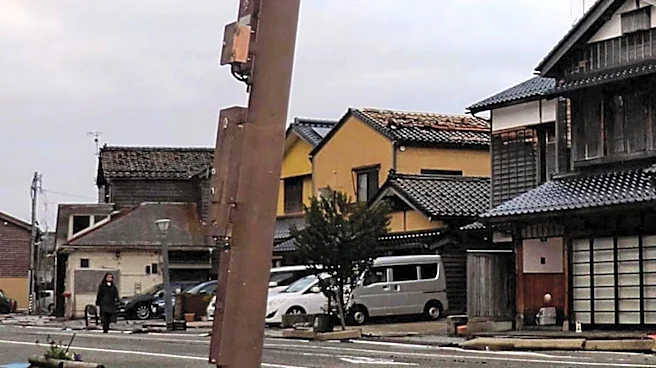
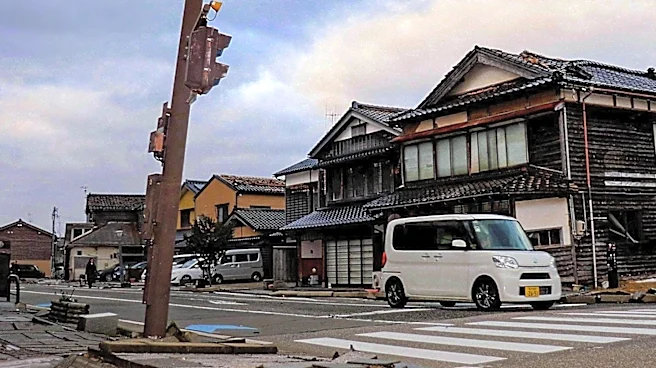
at shindo 5-upper, was felt in Chita, Aichi Prefecture. This marks the first time in approximately 30 years that an earthquake of this intensity has been observed in Aichi Prefecture. The tremor resulted in at least 28 reported injuries across Aichi and Shizuoka prefectures, including two serious injuries in Aichi. Damage included shattered windows at shops and businesses, books falling from shelves, and some structural damage to non-residential buildings. Rail services, including parts of the Tokaido Shinkansen bullet train, experienced delays and reduced speeds for safety checks, and some local roads were affected by rockfalls. No tsunami threat was issued, and checks at the Hamaoka nuclear power plant identified no abnormalities.
Why It's Important?
This earthquake highlights Japan's inherent seismic vulnerability, situated on the Pacific Ring of Fire. While the JMA has stated that this particular tremor does not indicate an unusual change in conditions along the Nankai Trough—a region prone to megaquakes—it serves as a critical reminder of the constant earthquake risk. The disruption to transportation, including bullet train services, underscores the immediate economic and logistical impact such events can have on a highly interconnected nation. The injuries and property damage, though not catastrophic, demonstrate the need for continuous preparedness and robust infrastructure. For U.S. businesses with operations or supply chains in Japan, such seismic events can lead to temporary operational halts and logistical challenges, emphasizing the importance of disaster contingency planning in earthquake-prone regions.
What's Next?
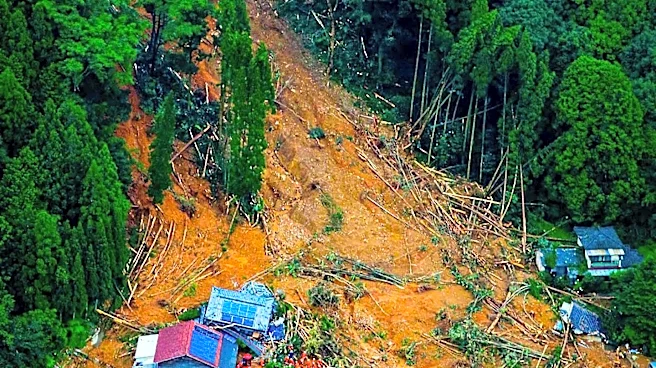
The Japan Meteorological Agency has issued a warning for possible strong aftershocks over the coming week, particularly within the first two to three days. Residents in affected areas are advised to remain vigilant and follow official safety information. Authorities also cautioned about the potential for rockfalls and landslides, especially if rainfall occurs, as slopes may have been weakened by the initial shaking. Local governments will continue to assess damage and ensure the restoration of services. While the JMA has not linked this event to an imminent Nankai Trough megaquake, the long-term probability of such a large earthquake in the region remains over 60% within the next 30 years, prompting ongoing monitoring of seismic activity and ground movement by Japanese authorities.
Beyond the Headlines
The earthquake, despite not being a 'megaquake,' underscores the psychological and societal impact of living in a seismically active zone. The immediate response, including the swift checks on nuclear facilities and the temporary slowdown of high-speed rail, reflects Japan's advanced disaster preparedness protocols. The distinction made by the JMA regarding the Nankai Trough is crucial; it manages public anxiety by clarifying that not every tremor signals a larger impending disaster, while still reinforcing the need for long-term readiness. This event also highlights the continuous evolution of seismic monitoring and public communication strategies, aiming to provide accurate information without causing undue panic, a model that other earthquake-prone regions globally could study.