

What's Happening?
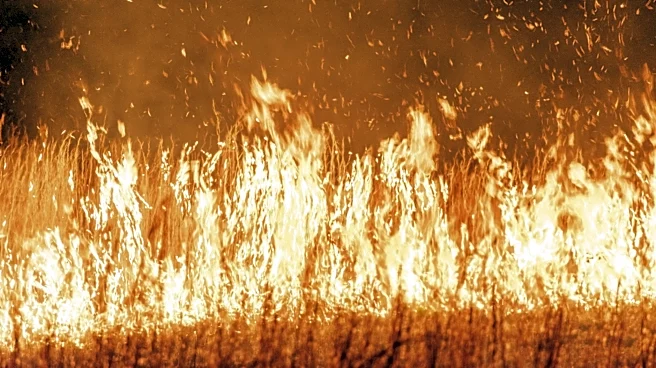
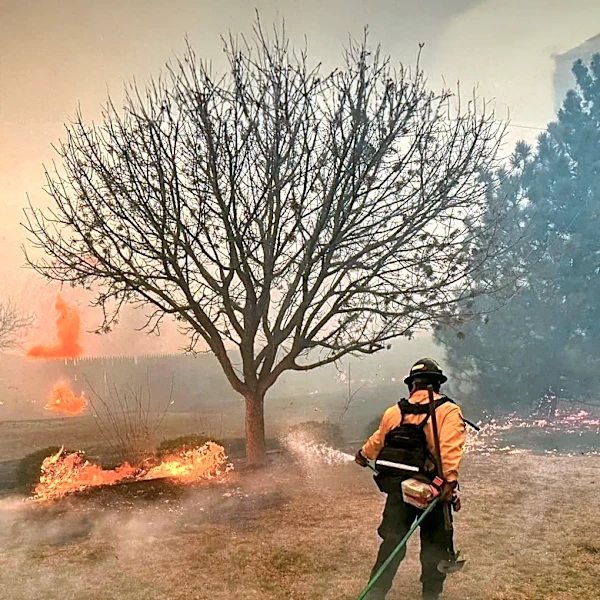
Natural disasters are increasingly disrupting the education and well-being of U.S. public school students. Estimates suggest that in the 2024-25 school year alone, at least 9 million, or one in five, public school students experienced schooling interruptions
due to disasters. This figure is considered an understatement by Matthew Kraft, director of SustainableED at Brown University, a research center focused on climate change and education. The consequences extend beyond academic setbacks, significantly affecting children's social-emotional well-being and health. A 2024 study involving over 38,000 teenagers revealed that those living in areas with frequent federal disaster declarations had a 20% higher likelihood of reporting mental distress, even up to five years post-disaster. The Hechinger Report highlights the growing need for support networks and organizations to assist children and families during these crises, as extreme weather events intensify due to climate change. The experience of families like the Backmans, who evacuated from wildfires in Spokane, Washington, underscores the profound impact, with children exhibiting regression, clinging, fighting, and night terrors.
Why It's Important?
The increasing frequency and intensity of natural disasters pose a significant threat to the stability and development of U.S. children and communities. The disruption to schooling for millions of students has long-term implications for their academic achievement and future opportunities. Beyond education, the documented rise in mental distress among teenagers exposed to disasters indicates a growing public health crisis, demanding more robust mental health support systems. The strain on families, as exemplified by the Backmans' ordeal, highlights the need for comprehensive disaster response strategies that prioritize the unique needs of children. The reliance on initiatives like Project:Camp, which provides free day camps for children of survivors, demonstrates a critical gap in existing emergency management frameworks. This situation underscores the broader societal cost of climate change, impacting not only infrastructure and economies but also the foundational well-being and educational trajectory of the next generation. Addressing these challenges requires integrated approaches that combine disaster preparedness with educational and psychological support.
What's Next?
In response to the escalating impact of natural disasters on children, organizations like Project:Camp are expanding their efforts, with the co-founder Mikey Latner aiming for accreditation by the American Camp Association. Social scientists from California State University, Chico, and Louisiana State University in Baton Rouge are actively researching the effectiveness of Project:Camp's programs on children's well-being and community resilience, which could inform future disaster response policies. Latner envisions a future where children's needs are an integral part of emergency response, not an afterthought, advocating for support systems for essential staff who struggle with childcare during emergencies. Local organizations, including schools, are also focusing on long-term recovery efforts, such as providing counseling support, managing school budgeting, and planning for enrollment changes in affected areas. The collaboration between national groups, local churches, and schools, as seen in Spokane, is expected to continue and evolve, emphasizing the importance of combining external resources with local cultural competence and relationships to effectively support communities post-disaster.
Beyond the Headlines
The pervasive impact of natural disasters on children's mental and emotional health reveals a deeper societal vulnerability to climate change. The concept of "education in emergencies," originating from international humanitarian aid, is becoming increasingly relevant within the U.S., highlighting a shift in how domestic crises are perceived and managed. The emphasis on re-establishing routines, safety, and relationships for children post-disaster, as practiced by Project:Camp, aligns with the science of adverse childhood experiences (ACEs), underscoring the psychological toll of such events. This situation also brings to light the ethical responsibility of society to protect its most vulnerable members from the consequences of environmental shifts. The challenges faced by parents, who often feel guilty for seeking help while dealing with immense personal loss, point to the need for greater public awareness and destigmatization of mental health support in disaster contexts. Furthermore, the observation that some communities may reach an "adaptation threshold" where rebuilding is no longer viable raises profound questions about future resettlement strategies and the long-term habitability of certain regions in the face of ongoing climate change.