

What's Happening?
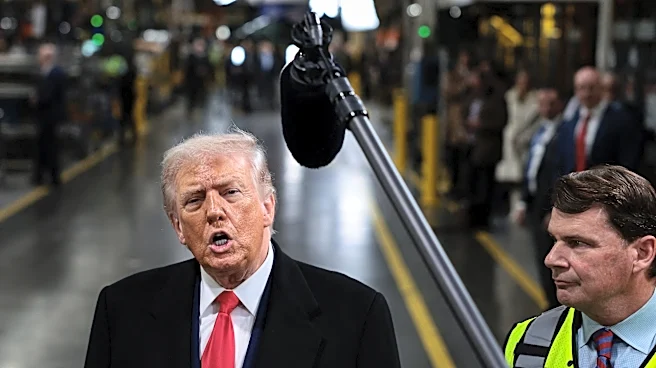
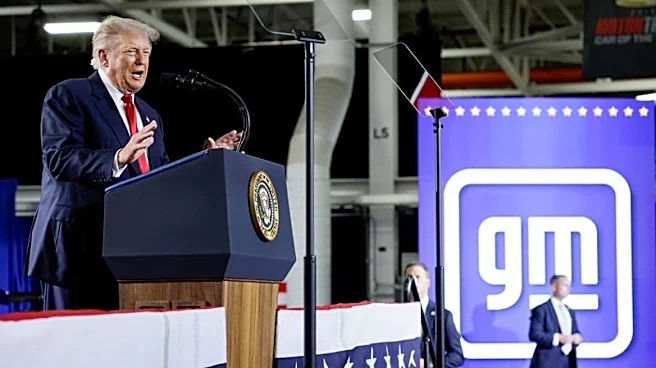
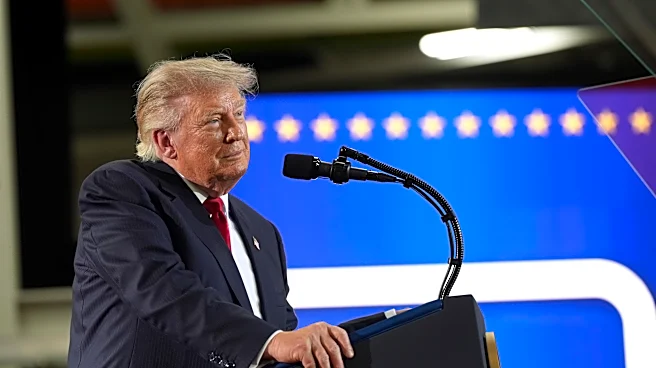
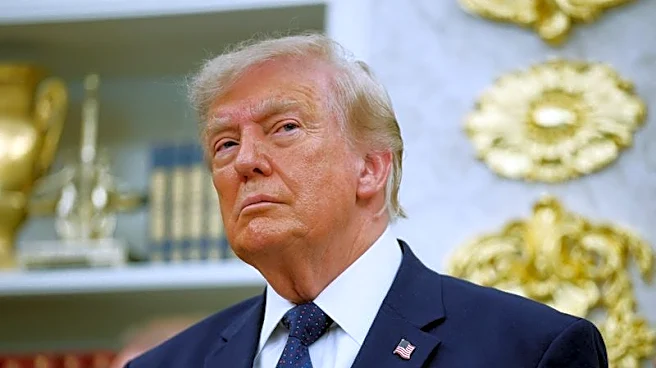
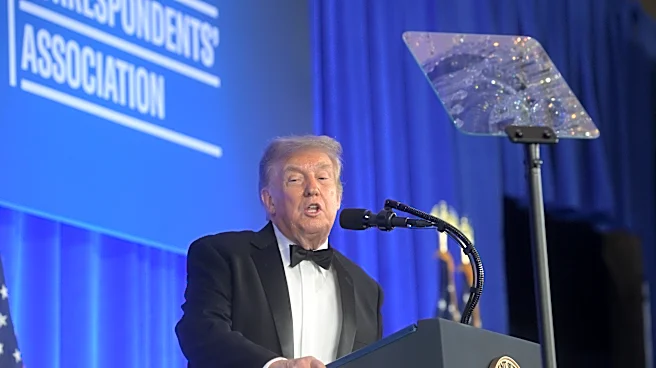
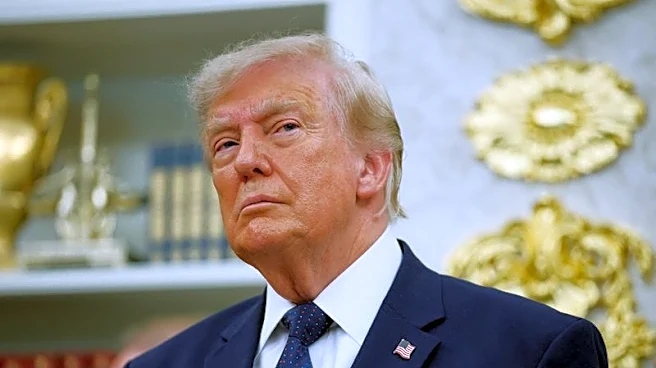
President Trump recently held a rally at the General Motors Proving Ground in Milford, Michigan, where he claimed that the state's auto industry is thriving and that the U.S. economy is entering a 'golden age.' The rally, which took place ahead of Michigan's
primary election, was marked by Trump's optimistic portrayal of the economy despite ongoing affordability concerns. Trump highlighted planned investments by companies like General Motors, which announced a $4 billion investment to build more vehicles in the U.S. However, data from the U.S. Bureau of Labor Statistics indicates a decline in auto parts manufacturing jobs in Michigan, with a loss of about 4,000 jobs over the past year. The rally also featured speeches from Republican candidates, emphasizing the economic achievements under Trump's administration.
Why It's Important?
The claims made by President Trump regarding the auto industry's resurgence and the broader economic conditions are significant as they play into the political narrative ahead of the midterm elections. The auto industry is a critical component of Michigan's economy, and Trump's assertions aim to bolster support among voters by highlighting economic growth and job protection measures. However, the discrepancy between Trump's claims and the actual job data raises questions about the true state of the industry and the effectiveness of his policies. The economic narrative is crucial for the upcoming elections, as it influences voter perceptions and could impact the political landscape in Michigan and beyond.
What's Next?
As the midterm elections approach, the economic performance and job market conditions will continue to be scrutinized by both political parties. The administration's policies, including tariffs and tax cuts, will be evaluated for their long-term impact on the auto industry and the broader economy. Stakeholders, including industry leaders and political candidates, will likely continue to debate the effectiveness of these policies. The outcome of the elections could influence future economic strategies and policy decisions, particularly in key states like Michigan.