








What's Happening?
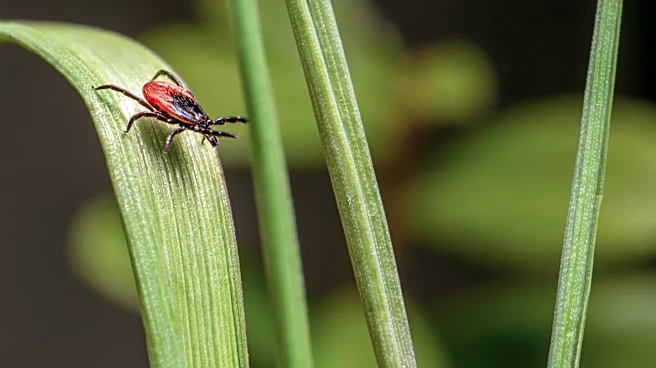
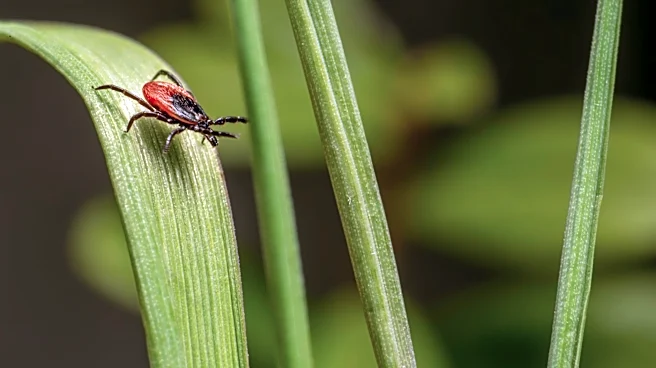
Consumer Reports has issued guidance on how homeowners can protect their yards from ticks, which are known carriers of Lyme disease and other illnesses. According to Paul Hope from Consumer Reports, ticks thrive in cool, shady areas, often found under
tall grass and in damp spots. To mitigate this, homeowners are advised to keep their grass trimmed to about three inches, which discourages ticks without harming the lawn. In areas with high tick populations, it is recommended to bag grass clippings instead of mulching them, as this removes potential hiding spots for ticks. Additionally, trimming back tall grasses and weeds, especially around walkways and play areas, and clearing away leaves and debris can further reduce tick habitats. For properties adjacent to wooded areas, creating a three-foot barrier of dry wood chips or gravel can help prevent ticks from entering the yard. Consumer Reports also highlights the importance of discouraging animals like deer and mice, which can carry ticks, by using tall fences and bait boxes.
Why It's Important?
The advice from Consumer Reports is significant as ticks and the diseases they carry, such as Lyme disease, have been spreading in recent years. This guidance is crucial for public health, as it provides practical steps for individuals to reduce the risk of tick-borne illnesses in their own backyards. By implementing these measures, homeowners can create a safer environment for themselves and their families. The recommendations also emphasize the importance of personal protection when spending time outdoors, suggesting the use of insect repellents and covering exposed skin. This proactive approach can help reduce the incidence of tick-borne diseases, which are a growing concern in many parts of the United States.
What's Next?
Homeowners are encouraged to assess their yards and implement the recommended strategies to reduce tick habitats. As tick populations continue to rise, ongoing vigilance and maintenance will be necessary to keep yards safe. Additionally, public health campaigns may continue to emphasize the importance of tick prevention and personal protection, especially during peak tick season. Further research and development of new tick control methods could also emerge as a response to the increasing prevalence of tick-borne diseases.