
What's Happening?
In China, a unique approach to combating obesity has emerged through military-style weight loss camps, often referred to as 'fat prisons.' These camps offer a regimented program designed to achieve rapid
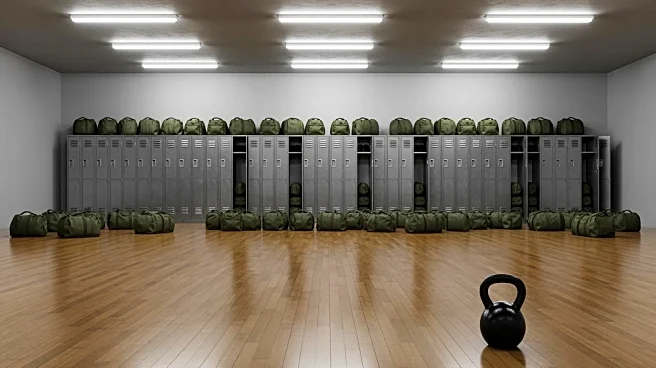
weight loss by enforcing strict discipline and control over participants' daily routines. A 28-year-old Australian woman, known online as Eggeats, documented her experience in one such camp, revealing the intense physical and dietary regimen participants undergo. The program includes four hours of daily training, 19 workouts per week, and carefully measured meals served on stainless steel trays. Participants are required to surrender any prohibited food upon arrival and are confined within the camp's high concrete walls and electric fences, with security guards ensuring compliance. Despite the harsh conditions, Eggeats reported significant weight loss and recommended the experience to those seeking an extreme challenge.
Why It's Important?
The rise of these weight loss camps in China highlights the growing global concern over obesity and the lengths to which individuals and societies are willing to go to address it. This approach reflects a broader trend of seeking quick fixes for complex health issues, raising questions about the ethical implications of such extreme measures. The camps' military-style discipline and isolation may appeal to those desperate for results, but they also underscore the societal pressures and stigmas associated with obesity. As obesity rates continue to rise worldwide, the methods employed by these camps could influence similar initiatives in other countries, potentially impacting public health policies and perceptions of weight loss solutions.
What's Next?
The future of these camps may involve increased scrutiny and debate over their ethical and health implications. As more individuals share their experiences, there could be calls for regulatory oversight to ensure participants' safety and well-being. Additionally, the success stories from these camps might inspire similar programs in other countries, prompting discussions on the balance between effective weight loss strategies and humane treatment. Stakeholders, including health professionals and policymakers, may need to address the potential psychological and physical effects of such extreme weight loss methods.
Beyond the Headlines
Beyond the immediate impact on participants, these camps raise broader questions about societal attitudes towards obesity and body image. The willingness to endure harsh conditions for weight loss reflects deep-rooted cultural and social pressures to conform to certain body standards. This phenomenon may contribute to a growing market for extreme weight loss solutions, potentially overshadowing more sustainable and holistic approaches to health and wellness. The camps also highlight the intersection of health, culture, and commerce, as they cater to an international clientele seeking drastic results.