
What's Happening?
Farmers in Greece have initiated a 48-hour blockade of major highways, junctions, and toll stations to protest against rising production costs and a controversial European Union trade deal with South American
nations. The protests, which began in November, have escalated due to a subsidy fraud scandal and a sheep and goat pox outbreak. The Greek government has offered concessions such as cheaper electricity rates and fuel tax rebates to appease the farmers. However, the farmers demand stronger state support and the rejection of the EU-Mercosur agreement, fearing it will flood the market with cheaper imports and devastate Greek agriculture.
Why It's Important?
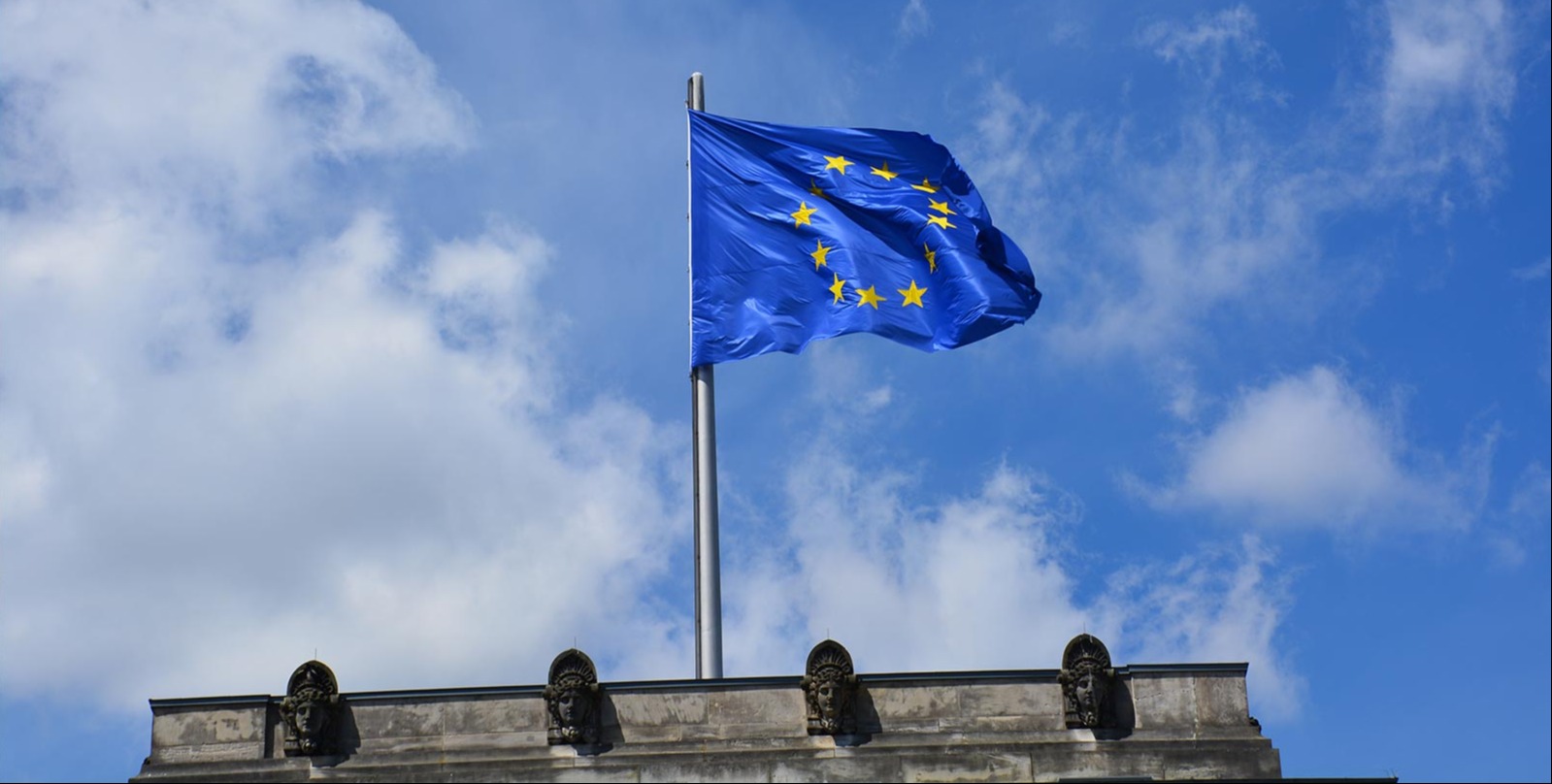
The protests highlight the significant challenges faced by European farmers in the face of global trade agreements. The EU-Mercosur deal, which aims to create a vast free-trade zone, is seen as a threat to local agriculture due to the potential influx of cheaper imports. This situation underscores the tension between global trade policies and local economic interests, particularly in countries heavily reliant on agriculture. The outcome of these protests could influence future trade negotiations and the EU's approach to balancing trade liberalization with protecting domestic industries.
What's Next?
The Greek government has warned against extended blockades, indicating potential enforcement actions if the protests continue. The situation may prompt further negotiations between the government and farmers to find a resolution. Additionally, the protests could inspire similar actions in other EU countries affected by the trade deal, potentially leading to broader discussions within the EU about the agreement's implications.