






What's Happening?
Iran has put forward a 14-point peace proposal to the United States, aiming to resolve ongoing tensions and end the current conflict within 30 days. The proposal includes demands for the U.S. to lift sanctions, end the naval blockade of Iranian ports,
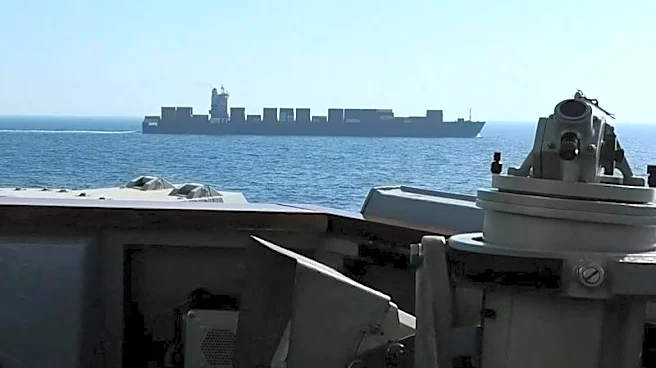
withdraw forces from the region, and cease hostilities, including Israeli operations in Lebanon. This comes amid reports of a cargo ship being attacked near the Strait of Hormuz, a critical passage for global oil trade. The attack, involving small craft, marks the latest in a series of incidents in the area. Meanwhile, Iran's currency, the rial, continues to weaken against the U.S. dollar, exacerbating economic instability and leading to job losses and rising prices in Tehran.
Why It's Important?
The peace proposal is significant as it represents a potential de-escalation of tensions between Iran and the U.S., which have been heightened by military confrontations and economic sanctions. The Strait of Hormuz is a vital chokepoint for global oil supplies, and continued instability could disrupt international markets. The economic impact on Iran is severe, with the rial's devaluation leading to public unrest and economic hardship. The U.S. response to the proposal could influence regional stability and global economic conditions, particularly in the energy sector. The situation also highlights the broader geopolitical dynamics involving Iran, the U.S., and Israel.
What's Next?
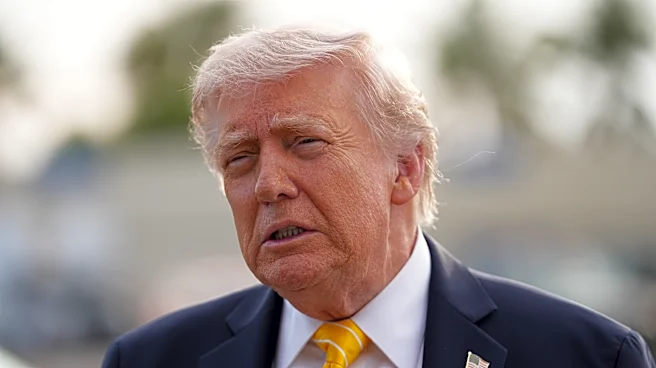
The U.S. is reviewing Iran's proposal, but President Trump has expressed skepticism about reaching a deal. The ongoing naval blockade and sanctions continue to pressure Iran's economy, potentially leading to further domestic unrest. Diplomatic efforts, possibly involving intermediaries like Pakistan, may continue to seek a resolution. The international community will be watching closely for any shifts in U.S. policy or Iranian responses that could alter the current trajectory of the conflict.
Beyond the Headlines
The situation underscores the complex interplay of military, economic, and diplomatic factors in the region. Iran's control over the Strait of Hormuz and its economic struggles highlight the challenges of balancing national security with economic stability. The potential for further escalation remains, with implications for global energy markets and regional alliances. The humanitarian impact, particularly on the Iranian populace, is a critical aspect of the ongoing tensions.