

What's Happening?
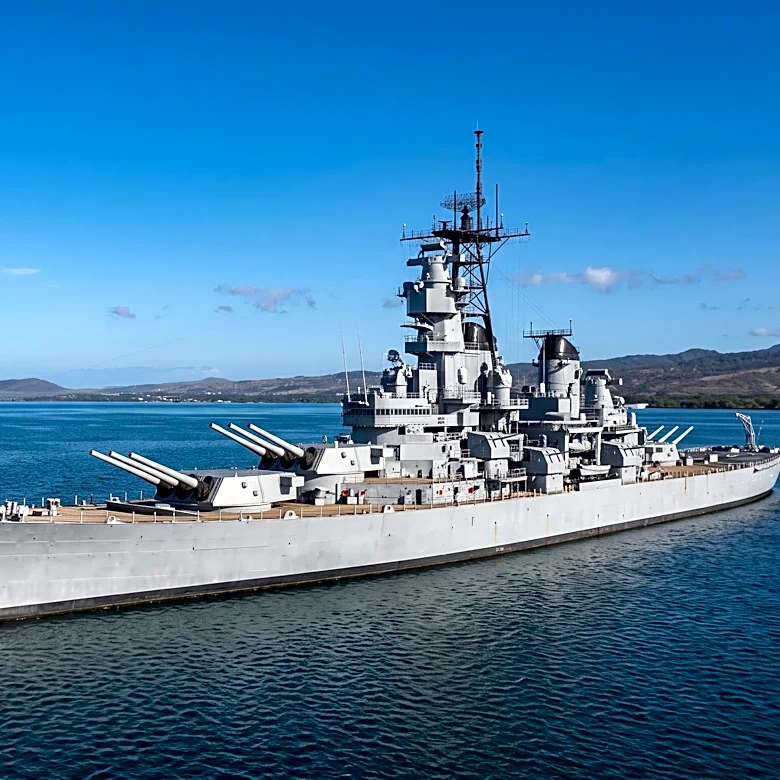
The United States observes Victory over Japan Day, or V-J Day, on September 2nd, symbolizing the official end of World War II. This date in 1945 saw Japanese representatives formally sign the Instrument of Surrender aboard the USS Missouri in Tokyo Bay.
The ceremony, lasting approximately 20 minutes, formalized Japan's unconditional surrender to the Allied forces. While President Harry Truman officially declared September 2nd as V-J Day, there was some initial confusion as news of Japan's agreement to accept the Potsdam Declaration terms on August 14, 1945, led to widespread celebrations in the U.S. on August 14-15. The formal signing on September 2nd followed intense events in August, including the atomic bombings of Hiroshima and Nagasaki and the Soviet Union's offensive against Japan in Manchuria. General Douglas MacArthur accepted the surrender on behalf of the Allies, with representatives from the United Kingdom, China, the Soviet Union, Australia, Canada, France, the Netherlands, and New Zealand also signing the document.
Why It's Important?
V-J Day holds profound importance for the United States as it marked the conclusion of nearly four years of war in the Pacific, a conflict initiated by Japan's attack on Pearl Harbor in December 1941. The war demanded immense sacrifices, with American military forces engaged in large-scale operations across the Pacific and millions of civilians contributing to the war effort on the home front. The news of Japan's surrender in 1945 triggered massive celebrations across the nation, signifying not only the end of hostilities but also the hope for the return of service members. President Truman emphasized that this victory ushered in a new era of responsibility for the U.S. to build peace and establish a postwar order. Beyond being a military victory, V-J Day serves as a solemn reminder of the immense human cost of World War II and the collective effort required to end one of the 20th century's greatest tragedies.
What's Next?
While September 2nd is not a federal holiday in the U.S., its historical and commemorative significance continues to be recognized. Military organizations, museums, archives, veterans' groups, and historical institutions will continue to observe this date. During major anniversaries, special events such as exhibitions, lectures, and commemorations dedicated to the end of the war in the Pacific are held. These events often focus on honoring World War II veterans and remembering those who perished. The USS Missouri, where the surrender was signed, is preserved as a museum ship at Pearl Harbor, allowing visitors to connect with this pivotal moment in history. The original surrender document is also a key artifact in the U.S. National Archives, ensuring its preservation for future generations.
Beyond the Headlines
The commemoration of V-J Day extends beyond a simple historical observance, touching upon deeper societal and cultural implications. It underscores the enduring impact of World War II on American identity and its role in shaping the global order. The memory of the war, including the sacrifices made and the subsequent efforts to establish peace, continues to influence U.S. foreign policy and its commitment to international cooperation. The day also highlights the complex process of post-war reconstruction and the establishment of new geopolitical realities, such as Japan coming under Allied control and undergoing significant political and social changes. Furthermore, V-J Day serves as a powerful reminder of the human capacity for both immense destruction and collective resilience, fostering a continued dialogue about the lessons learned from global conflicts and the pursuit of lasting peace.